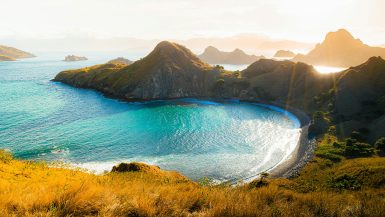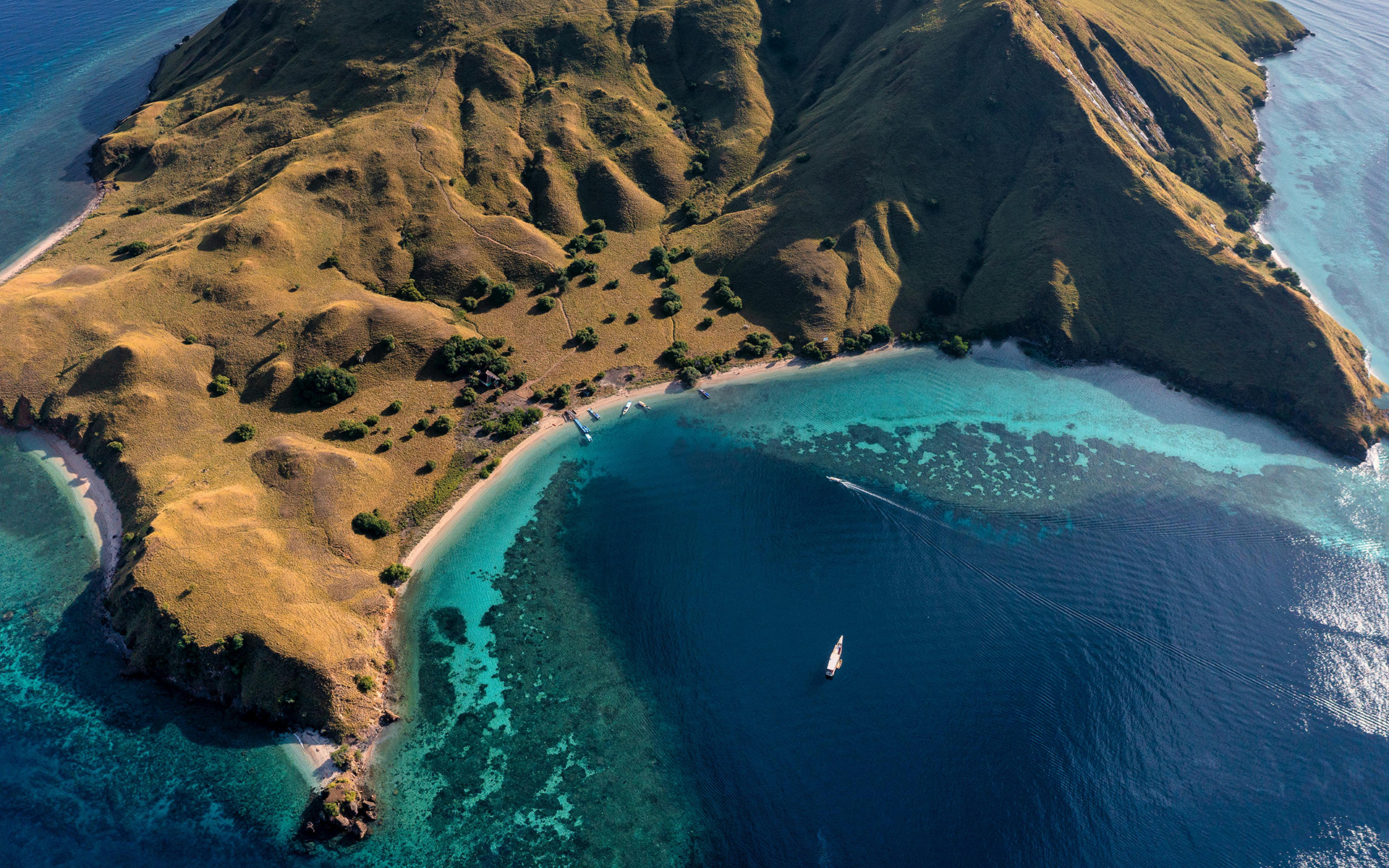
Gili Lawa (also known as Gili Laba) is a small but spectacular island within Komodo National Park in East Nusa Tenggara, Indonesia. Despite its modest size, it packs in two world-class experiences: a challenging hilltop trek with one of the most breathtaking panoramic views in the entire Komodo archipelago, and exceptional diving at two of the region’s most celebrated dive sites.
Moreover, Gili Lawa remains less visited than its more famous neighbours, Padar Island and Komodo Island, which makes it a rewarding destination for travelers who want dramatic scenery without the crowds. This Gili Lawa travel guide covers everything you need: how to get there, what to do, when to visit, and how to make the most of your time on this remarkable island.
Quick Facts: Gili Lawa (Gili Laba)
Alternative name: Gili Laba (both names refer to the same island)
Location: Komodo National Park, West Manggarai Regency, East Nusa Tenggara (NTT)
Island type: Uninhabited. No permanent residents or lodging on the island.
Main activities: Hilltop trekking, sunrise/sunset viewing, diving, snorkeling
Trek difficulty: Moderate to challenging. Steep grassy slopes, approximately 1 hour to the summit.
Entry fee: Free (standard Komodo National Park entry fees apply)
Nearest gateway: Labuan Bajo (~4 hours by boat) or Komodo Island (~1 hour by boat)
Best time to visit: April – October (dry season)
How to Get to Gili Lawa: Your Travel Guide Starts Here
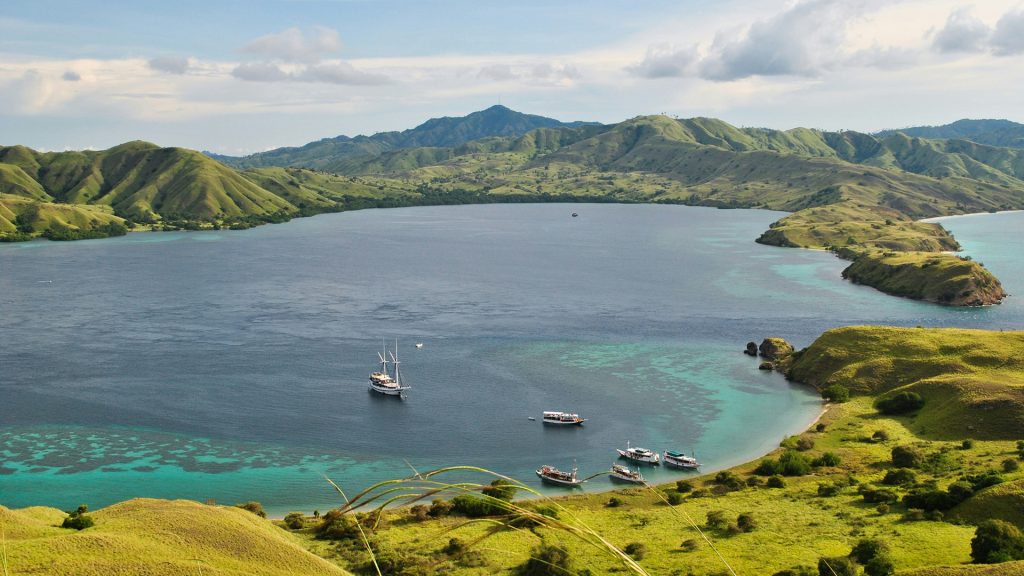
Gili Lawa sits close to Komodo Island in the heart of Komodo National Park. There are two main starting points for reaching the island:
From Komodo Island (~1 hour by boat)
If you are already on Komodo Island, Gili Lawa is the quickest to reach. The boat journey takes approximately one hour. Furthermore, many visitors combine both islands in a single itinerary: trekking on Komodo Island in the morning and crossing to Gili Lawa in the afternoon.
From Labuan Bajo (~4 hours by boat)
Most visitors reach Gili Lawa as part of a day trip or multi-day boat tour departing from Labuan Bajo. The journey takes approximately four hours. However, the boat ride itself is scenic, passing through islands, narrow straits, and open water with views of the Komodo archipelago in every direction.
In addition, Gili Lawa is almost always included in multi-day liveaboard itineraries from Labuan Bajo. These tours typically combine Gili Lawa with Padar Island, Pink Beach, Rinca Island, and Kanawa Island over two to three days.
Boat Rental Options
If you prefer to arrange transport independently rather than joining a tour, speedboats are available for hire from Labuan Bajo harbour:
- Small speedboat (min. 4 persons): ~IDR 3,250,000/day
- Medium speedboat: ~IDR 3,750,000/day
- Large speedboat: ~IDR 4,250,000/day
Furthermore, splitting the cost across a group of 4–8 people makes private boat hire very affordable. However, joining an organised tour is generally more cost-effective for solo travelers and small groups.
Gili Lawa Entry Fee
Entry to Gili Lawa itself is free of charge. However, because the island sits within Komodo National Park, standard park entry fees apply. These fees cover all islands within the park visited on the same day. Confirm current rates with your tour operator, as fees are governed by Government Regulation No. 36/2024 and are subject to periodic revision.
| Category | Domestic (IDR) | Foreign (IDR) |
|---|---|---|
| Entrance Ticket — Weekday & Saturday | 50,000 / person / day | 250,000 / person / day |
| Entrance Ticket — Sunday & National Holiday | 75,000 / person / day | 250,000 / person / day |
| Student Ticket (min. 5 persons/group) | 25,000 (weekday) / 37,500 (holiday) | — |
| Scuba Diving | 25,000 / person / day | 25,000 / person / day |
| Drone Operation Fee | 2,000,000 / unit / day | 2,000,000 / unit / day |
| Speedboat 40–100 PK | 100,000 / unit / day | 100,000 / unit / day |
| Speedboat 101–500 PK | 150,000 / unit / day | 150,000 / unit / day |
| Speedboat >500 PK | 200,000 / unit / day | 200,000 / unit / day |
| Commercial Photography / Video (per location) | 2,000,000 / package | 5,000,000 / package |
| Prewedding Photos & Video (per location) | 1,000,000 / package | 3,000,000 / package |
Best Time to Visit Gili Lawa
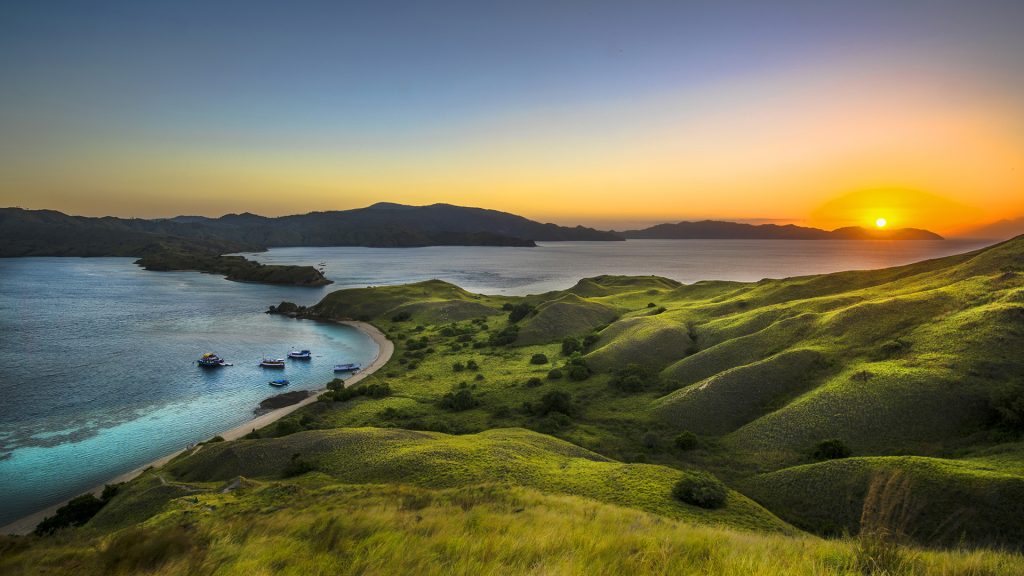
Best Season: April to October (Dry Season)
The dry season offers the clearest skies and calmest seas, ideal for both trekking and diving. Furthermore, the golden-brown savannah landscape during the dry season is one of Gili Lawa’s most iconic visual features. July and August represent the peak tourist season, so expect more visitors during these months.
Best Time for Sunrise Trek: Depart at 4:00 am
The most rewarding way to experience Gili Lawa is a pre-dawn trek. Depart from the boat at around 4:00 am and use a torch or phone light to navigate the trail in the dark. The hike to the summit takes approximately one hour. As a result, arriving at the top just before sunrise gives you one of the most spectacular views in the Komodo archipelago, with scattered islands bathed in golden morning light.
Best Time for Sunset Trek: Depart at 3:00 pm
If you prefer a later start, begin the trek at around 3:00 pm. The summit trek takes less than 30–45 minutes at a steady pace. Sunset typically falls between 5:00 and 6:00 pm, giving you ample time to reach the top and settle in before the sky turns orange. Moreover, the descent in fading light is manageable, though bringing a torch is still recommended.
Things to Do in Gili Lawa: The Complete Travel Guide
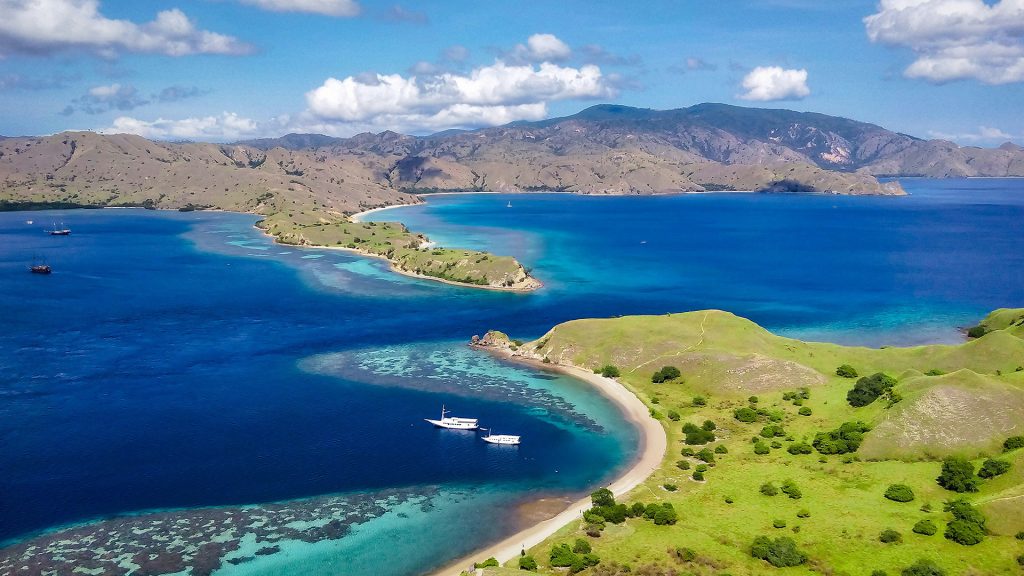
1. Trek to the Summit Viewpoint
The hilltop trek is the centrepiece of any visit to Gili Lawa. The trail climbs through open savannah, gaining significant elevation with steep sections in places. The path can be slippery, especially during or after rain, so proper footwear is essential. Furthermore, the trail has no designated markers, so following a guide or staying on the worn path is important.
However, the summit rewards every step of the effort. From the top, the views extend across a panorama of scattered islands, turquoise channels, and the open sea beyond. The landscape changes dramatically between seasons. It turns golden-brown in the dry months and vivid green during and after the wet season. In addition, the summit is an excellent photography location at any time of day.
2. Dive at Crystal Rock
Crystal Rock is one of the most celebrated dive sites in Komodo National Park. The site takes its name from the rocky underwater pinnacle that rises from the deep, surrounded by crystal-clear water and an extraordinary density of marine life. Divers encounter large schools of tuna and mackerel, vibrant coral formations, and a variety of reef fish in impressive numbers.
Furthermore, Crystal Rock suits a wide range of diving experience levels. The site offers both shallow sections accessible to beginners and deeper areas that reward advanced divers. For the best experience, check current conditions with a certified local dive operator before descending.
3. Dive at Castle Rock
Castle Rock is the second major dive site near Gili Lawa and one of the most thrilling in the entire Komodo National Park area. The site is best known for its strong currents, which bring in large pelagic species such as manta rays, reef sharks, and occasional schooling hammerheads. In addition, the site features moray eels, batfish, and spectacular soft coral formations.
However, Castle Rock is recommended for intermediate to advanced divers only. The currents are powerful and unpredictable. As a result, diving with an experienced local guide is strongly advisable at this site.
4. Snorkeling Around the Island
Even without scuba gear, the waters around Gili Lawa offer excellent snorkeling. The shallow reef areas on the calmer side of the island are accessible to all skill levels. Moreover, the visibility in these waters is generally excellent during the dry season, allowing clear views of the coral and fish below. Most boat tours provide basic snorkeling equipment.
5. Watch the Colour-Changing Savannah
One of Gili Lawa’s most distinctive qualities is its seasonal colour transformation. During the dry season, particularly in August and September, the hillside savannah turns a rich golden-brown, giving the island a desert-like appearance. In contrast, the wet season brings lush, vivid green to the slopes. Both versions of the landscape are striking in their own way. Furthermore, this transformation makes Gili Lawa a rewarding destination to revisit across different seasons.
6. Include Gili Lawa in a Full-Day Island-Hopping Tour
Most visitors experience Gili Lawa as part of a broader day-tour itinerary. A popular full-day route from Labuan Bajo includes Sebayur Island for snorkeling, Kanawa Island for more reef exploration, and Gili Lawa for the summit trek and sunset. This combination efficiently covers three distinct experiences in a single trip.
What to Pack for Your Gili Lawa Travel Guide Checklist
Preparing the right gear makes the trek and dive experience significantly more enjoyable. Here is what to bring:
- Sturdy hiking shoes or trail footwear: The summit trail is steep and grassy. Good grip is essential, especially in dry conditions when the grass is slippery.
- Torch or phone with flashlight: Essential for the pre-dawn sunrise trek. Bring a power bank as backup.
- High-SPF sunscreen: The hilltop is fully exposed to the sun. Apply before the trek and carry it for reapplication.
- Hat and sunglasses: Essential for the summit and the boat journey.
- Water (at least 1.5 litres per person): No water is available on the island. Carry enough for the full trek.
- Snacks: Fuel for the climb, especially on the pre-dawn sunrise trek.
- Swimwear and snorkel gear: For snorkeling or a refreshing swim after the trek.
- Dive certification card: Required for diving at Crystal Rock and Castle Rock. Advanced certification is recommended for Castle Rock.
- Dry bag or waterproof case: Protect your phone and camera on the boat and at the dive sites.
- Cash (IDR): For park fees and any additional costs. No ATMs are available on the island.
Essential Travel Tips for Gili Lawa
- Start the sunrise trek by 4:00 am. Use a torch and take your time on the dark trail.
- Wear proper hiking shoes. The grassy slopes can be deceptively slippery, even when dry.
- Bring at least 1.5 litres of water per person. There is no water source on the island.
- Castle Rock is for intermediate to advanced divers only. Always check current conditions with your dive guide before entering the water.
- Book a multi-day liveaboard tour from Labuan Bajo to combine Gili Lawa with Padar Island, Pink Beach, and Rinca Island efficiently.
- Visit during the dry season (April–October) for the best trekking and diving conditions.
- Respect the natural environment. Do not litter, and avoid touching coral at dive and snorkel sites.
Ready to Use This Gili Lawa Travel Guide?
Gili Lawa delivers two of the most memorable experiences available anywhere in the Komodo archipelago: a summit panorama that stops visitors in their tracks, and dive sites that rank among the best in Southeast Asia. Furthermore, its relatively low visitor numbers compared to Padar Island or Komodo Island mean you can enjoy both experiences in a more peaceful, uncrowded setting.
Whether you come for the sunrise, the diving, or simply to stand on top of a wild Indonesian island and take in the view, Gili Lawa consistently exceeds expectations. For more destination inspiration across the Komodo region, explore the official Indonesia Tourism guide to Komodo.
FAQs
Gili Lawa and Gili Laba refer to the same island. The two names are used interchangeably by locals, tour operators, and travel guides. Both names appear in boat tour itineraries and on maps. There is no meaningful distinction between the two.
The trek is rated moderate to challenging. The trail climbs steeply through open savannah, with sections of loose grass that can be slippery. Most fit travelers reach the summit in approximately one hour at a steady pace. However, beginners should be prepared for a physical effort and wear proper footwear. The descent is generally easier than the ascent.
Crystal Rock is suitable for beginners and intermediate divers. The site has relatively calm conditions and offers excellent marine life at accessible depths. However, Castle Rock is recommended for intermediate to advanced divers only due to its strong and unpredictable currents. Always dive with a certified local guide at both sites.
Independent visits are possible by renting a private speedboat from Labuan Bajo. However, joining an organised tour is significantly more cost-effective, particularly for solo travelers and small groups. Moreover, tour operators handle all logistics, including permits, boat crew, guide, and snorkeling equipment, making the experience easier to manage.
Most visitors spend 3–5 hours on Gili Lawa as part of a day tour. This gives you enough time for the summit trek, time at the top, and a snorkeling or diving session. However, to experience both the sunrise trek and an afternoon dive, an overnight liveaboard itinerary is the most rewarding option. This allows you to anchor near the island and access it at the optimal times of day.