

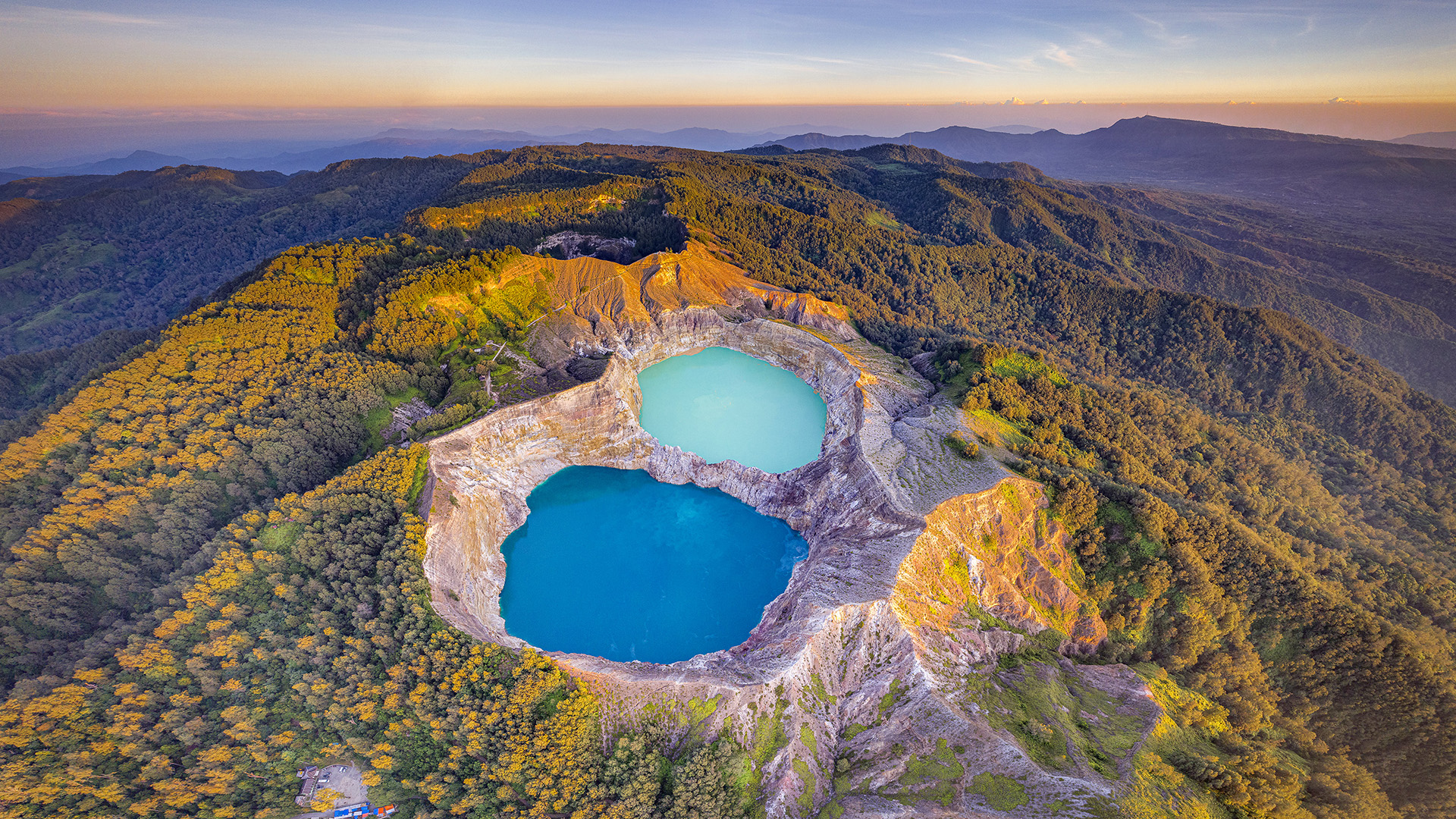
Kelimutu National Park is one of the most extraordinary natural destinations in all of Indonesia. At its heart are three volcanic crater lakes perched at 1,639 metres above sea level on the summit of Mount Kelimutu in Ende Regency, Flores. What makes these lakes unlike any other in the world is their colour — each lake is a different hue, and all three change colour periodically due to shifting mineral compositions in the water. Turquoise, deep green, black, brown, and brick red are among the colours visitors have recorded across different seasons and years.
Moreover, the lakes hold deep spiritual significance for the native Lio people, who believe the waters are the resting place of ancestral souls. This cultural dimension adds a layer of meaning to the natural spectacle that makes Kelimutu truly unforgettable. This Kelimutu National Park travel guide covers everything you need to plan a visit — from how to get here and when to come, to what to pack, where to stay, and how to stay safe.
Quick Facts: Kelimutu National Park
Location: Ende Regency, East Nusa Tenggara (NTT), Flores Island, Indonesia
Crater lakes altitude: 1,639 metres above sea level
Number of crater lakes: Three (Tiwu Ata Mbupu, Tiwu Ko’o Fai Nuwa Muri, Tiwu Ata Polo)
Nearest town: Moni Village (approximately 30 minutes from the crater lakes)
Nearest city: Ende (approximately 2 hours from Moni Village)
Entry fee: Approx. USD 11 (weekday) / USD 18 (weekend and public holidays)
Best time to visit: April to October (dry season) — sunrise recommended
Cultural significance: Sacred site of the indigenous Lio people
What Makes Kelimutu National Park Special?
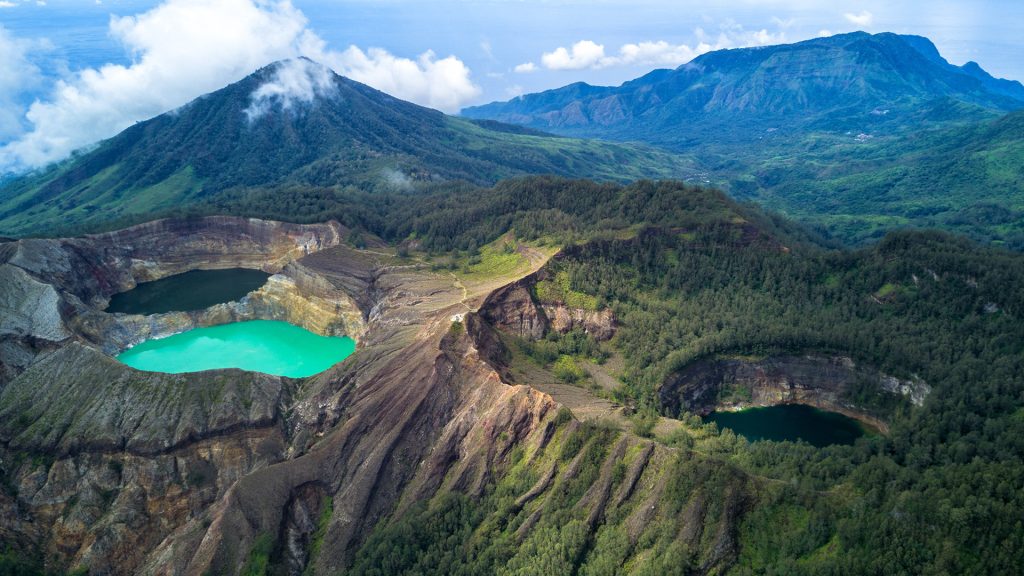
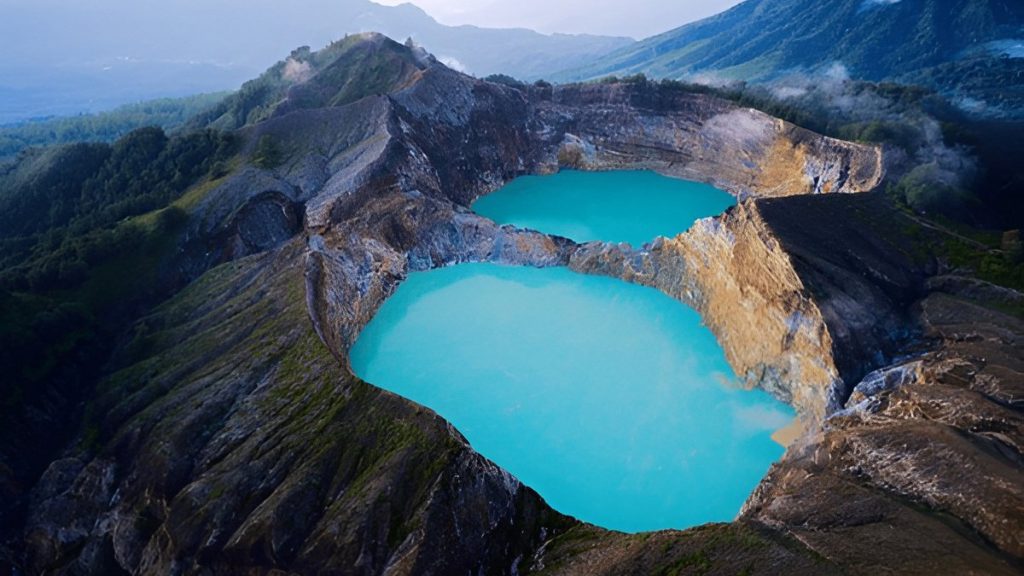
Kelimutu National Park covers an area of approximately 5,356 hectares in central Flores. Mount Kelimutu itself is an active volcano, and the three crater lakes — Tiwu Ata Mbupu (Lake of Old People), Tiwu Ko’o Fai Nuwa Muri (Lake of Young Men and Maidens), and Tiwu Ata Polo (Bewitched or Enchanted Lake) — sit in separate craters near the volcano’s summit.
The colour of each lake changes independently over time. Scientists attribute the shifts to volcanic activity, which alters the chemical and mineral composition of the water. As a result, no two visits to Kelimutu are ever quite the same. Furthermore, the colours can change dramatically over months or years, which is part of what makes the lakes so compelling to return to.
In addition to the lakes themselves, the national park protects a rich highland forest ecosystem home to numerous endemic species of birds, plants, and small mammals. The surrounding mountain terrain offers trekking opportunities for those who want to explore beyond the main crater viewpoint.
How to Get to Kelimutu National Park
Kelimutu National Park is accessible via several routes from different starting points in Flores. The gateway village is Moni, which serves as the base for most visitors. Here are the main options:
Via Ende (Most Direct Route)
Ende is the capital city of Ende Regency and the most convenient arrival point for visiting Kelimutu. H. Hasan Aroeboesman Airport in Ende receives flights from Bali (via Kupang or direct) and from several other Indonesian cities. From Ende Airport, the journey to Moni Village takes approximately two hours by road.
Furthermore, shared shuttle vans, taxis, and rental cars are all available at the airport and from the town centre. Ende is also a worthwhile stop in its own right, with the Bung Karno Contemplation Park and local beaches among its highlights.
Via Maumere
Maumere is the second largest city in Flores and has good flight connections from Bali and other Indonesian cities. The road journey from Maumere to Moni Village takes approximately three hours, passing through some of the most scenic highland landscapes in eastern Flores. This route is slightly longer than the Ende approach but offers more flexibility for travelers already exploring eastern Flores.
Via Labuan Bajo (Overland)
Labuan Bajo is the most popular entry point to Flores for international travelers, particularly those combining a Kelimutu visit with a Komodo National Park itinerary. The overland drive from Labuan Bajo to Moni Village takes approximately 12 hours along the Trans-Flores highway. While long, the drive passes through extraordinary highland scenery, traditional villages, and several interesting towns along the way. Many travelers break the journey with overnight stops in Ruteng or Bajawa.
Getting from Moni Village to Kelimutu
From Moni Village, the crater lakes are approximately 13 kilometres away — a 30-minute drive up the mountain. Several transport options are available:
- Motorbike ride with local driver: The most common option. Fares range from approximately USD 8 to USD 17, depending on negotiation. Drivers typically wait and return you to Moni afterward.
- Rental motorcycle: Suitable for confident riders. Gives full flexibility over timing.
- Rental car: More comfortable, particularly for families or those visiting in cold pre-dawn conditions.
- Walking from Moni: Some adventurous travelers walk one way and take transport for the other. The downhill walk from the crater to Moni takes approximately three hours.
Kelimutu National Park Entry Fees
Entry Fee: Kelimutu National Park
Weekday entry (domestic & foreign): Approximately USD 11/person
Weekend and public holiday entry: Approximately USD 18/person
Motorbike ride from Moni to the crater: Approximately USD 8 – 17/person (negotiable)
Shared van from Ende/Maumere to Moni: Approximately USD 3 – 5/person
Bus from Ende to Moni: Approximately USD 2/person
USD prices are approximate conversions from IDR rates in the original source. Verify current IDR rates with local operators before visiting, as fees are subject to change.
What to See at Kelimutu: Your National Park Travel Guide
The Three Crater Lakes
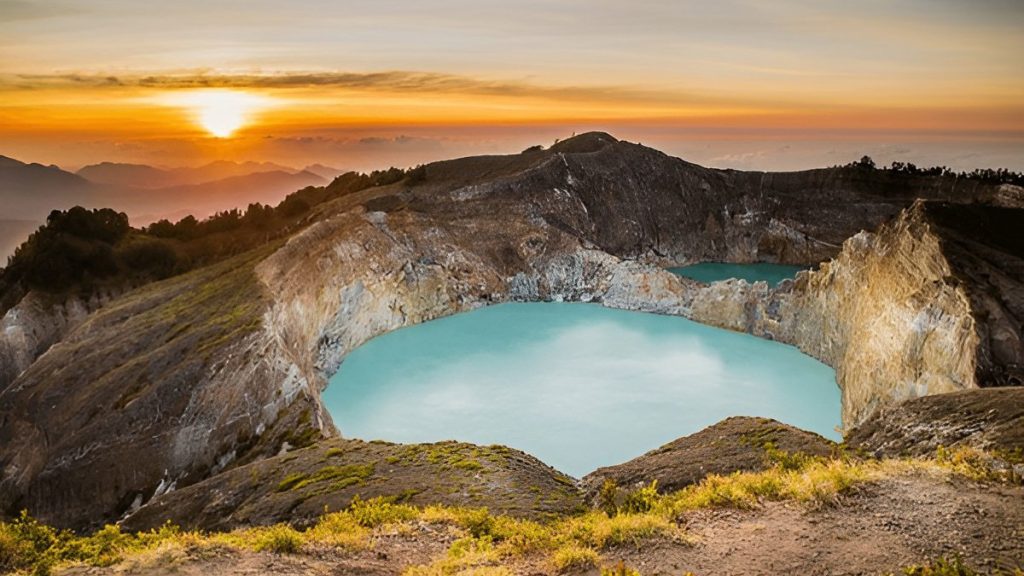
The three lakes each occupy a separate crater near Mount Kelimutu’s summit and are managed as a protected natural and cultural heritage site:
- Tiwu Ata Mbupu (Lake of Old People): The westernmost lake, traditionally associated with the spirits of the elderly. It tends to display cooler colours such as blue or teal.
- Tiwu Ko’o Fai Nuwa Muri (Lake of Young Men and Maidens): The middle lake, associated with the spirits of young people. It frequently displays turquoise or green hues.
- Tiwu Ata Polo (Bewitched Lake): The easternmost lake, associated with the spirits of people who committed crimes in life. It commonly displays darker colours such as deep green, black, or red-brown.
Furthermore, the two easternmost lakes are separated only by a narrow ridge, making it possible to view both simultaneously from the same vantage point. In addition, the Inspiration Point viewpoint near the summit provides a clear sightline to all three lakes at once.
Inspiration Point
Inspiration Point is the main viewing platform at Kelimutu and the most popular spot to observe all three crater lakes. The walking path from the car park to Inspiration Point involves a series of steps with a railing, taking approximately 15 minutes to reach. The paved path is safe and accessible for most visitors, including those with limited mobility.
Sunrise at Kelimutu
Watching the sunrise over the crater lakes is widely regarded as one of the most breathtaking natural experiences in Indonesia. As the sky brightens, the colours of the lakes shift through shades of orange, gold, and violet before settling into their daytime hues. The cool highland air, the mist rising from the lakes, and the silence of the early morning all add to the extraordinary atmosphere.
To catch the sunrise, depart Moni Village between 4:00 am to 4:30 am. Many local drivers offer early morning trips specifically for this purpose. In addition, arriving before the sun rises means you experience the gradual transformation of light, which is often more memorable than the sunrise moment itself.
QR Code Information Points
The national park management has installed 12 QR code scanning points throughout the park area. Scanning these codes provides visitors with a digital guide covering the history, geology, and cultural significance of each location. Furthermore, this system allows visitors to explore at their own pace with access to detailed information in multiple languages.
Best Time to Visit Kelimutu National Park
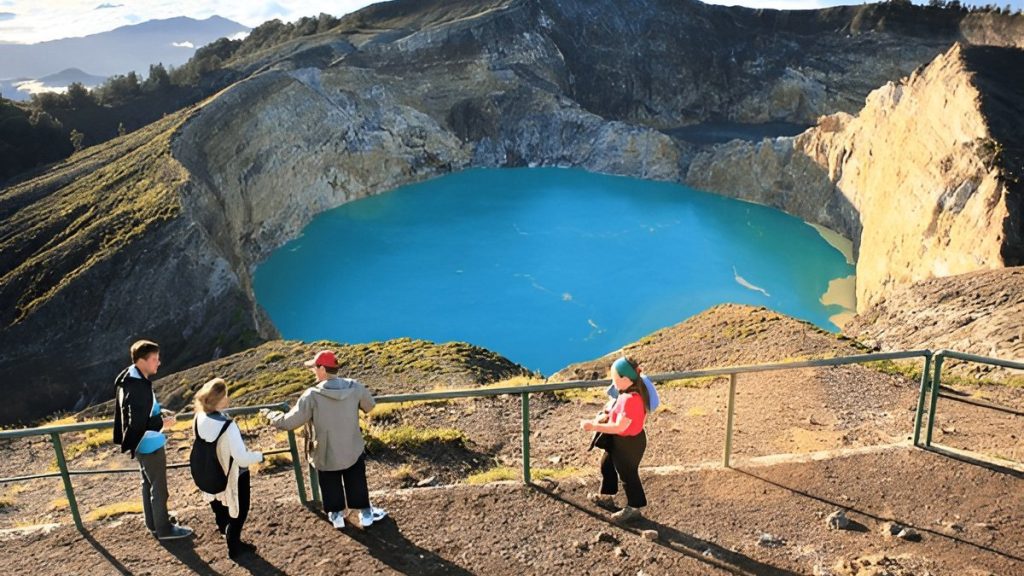
Dry Season: April to October (Recommended)
The dry season is the best overall time to visit Kelimutu. Clear skies give the best visibility of the lake colours and the surrounding mountain panorama. Furthermore, the hiking paths are drier and safer underfoot. July and August are the busiest months, so arriving very early is particularly important during peak season to secure a quieter sunrise experience.
Sunrise Visits: Any Clear Morning
Regardless of the season, sunrise is the most rewarding time to visit the lakes. The combination of dramatic light and the colour-shifting water creates a scene that is impossible to replicate at other times of day. As a result, most visitors plan their Moni Village stay around an early-morning departure to the crater.
Wet Season: November to March
Cloud cover and rain are more frequent during the wet season, which can obscure the crater lakes entirely. However, visitor numbers drop significantly, and accommodation is easier to find. If the weather clears, the lakes are still beautiful. Keep your schedule flexible during this period to allow for a second attempt if your first visit is obscured by clouds.
Where to Stay Near Kelimutu National Park
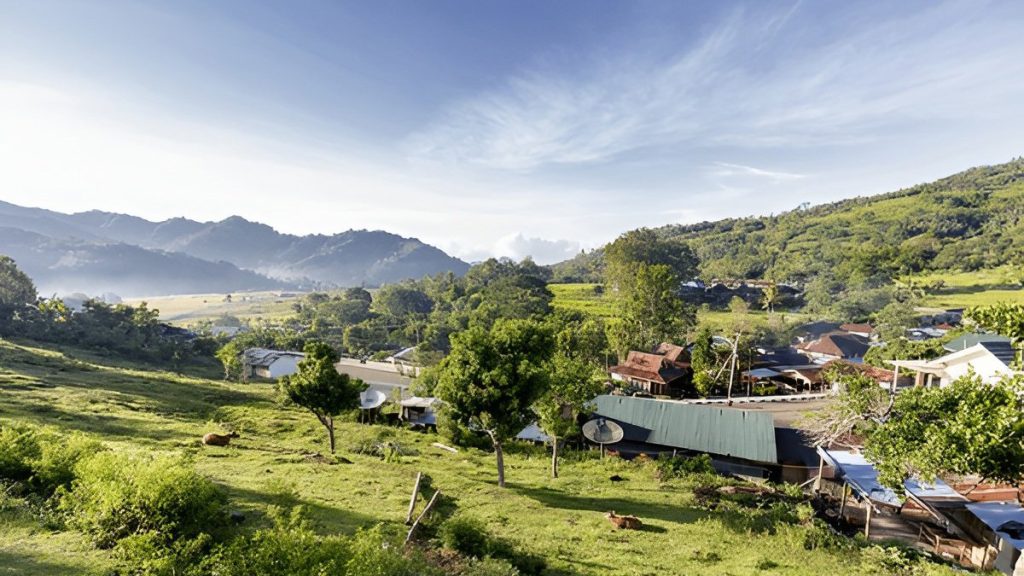
Moni Village (Best for Sunrise Visits)
Moni is the most popular base for visiting Kelimutu and the most practical option for those planning an early-morning sunrise trek. The village has numerous guesthouses run by local families, typically charging between USD 30 and USD 45 per night, including meals. Advance booking is not always necessary, but is advisable during public holidays and peak season.
Furthermore, staying in Moni gives you direct access to local drivers who know the mountain road well and can take you to the crater before dawn. The village also has a pleasant, relaxed atmosphere that rewards slower travelers who want to spend a day or two exploring the surrounding area.
Ende City
Ende offers a wider range of accommodation, including budget hotels, mid-range options, and a few more comfortable establishments. The city has better dining options, ATMs, and transport connections than Moni. However, the two-hour commute to the crater means very early departures for sunrise visits. Ende suits travelers who prefer urban amenities and plan to explore both Kelimutu and the Ende area over several days.
Labuan Bajo or Bajawa
For travelers on a longer Flores overland itinerary, basing in Labuan Bajo or Bajawa and making a multi-day side trip to Kelimutu is a practical option. However, the distances involved require careful planning and flexible schedules.
What to Eat Near Kelimutu National Park
Food options around Kelimutu are simple but satisfying. Here is what to expect:
- Roadside restaurants along Ende-Maumere Road: These serve rice-based dishes including fried chicken, grilled fish, stir-fry vegetables, and local specialties. Several cafes also offer desserts and coffee.
- Food stalls at the crater park: Basic snacks and hot drinks, including instant coffee, are available near the car park area.
- Guesthouse meals in Moni: Most guesthouses include simple meals with their accommodation packages. Rice dishes are the staple, and portions are typically generous.
- Instant food: Cup noodles and other packaged instant foods are widely available in local shops. Hot water is easily obtained from guesthouses.
What to Pack for Kelimutu National Park
Kelimutu National Park’s high altitude means conditions are significantly cooler than at sea level — especially before sunrise. This Kelimutu National Park travel guide packing list covers both the crater visit and a longer stay in Flores:
For the Crater Trek (Cold and Exposed)
- Fleece jacket or thermal layer — essential for pre-dawn temperatures
- Windbreaker or light rain jacket — the summit is exposed, and the weather can change quickly
- Wool beanie or warm hat — temperatures near the summit can drop significantly before sunrise
- Gloves — recommended for very early morning visits
- Long-sleeved shirt or sweater
- Sturdy hiking shoes — the paved path is manageable, but the surrounding terrain is uneven
- Torch or headlamp with spare batteries — essential for pre-dawn departure from Moni
- Insulated water bottle — keeps drinks warm during cold early mornings
- Sunglasses — the high altitude intensifies UV exposure once the sun rises
For a Longer Flores Stay
- Lightweight, breathable clothing for daytime travel
- Comfortable walking shoes for town and village visits
- Ziploc bags or waterproof pouches for documents and electronics
- Power bank and universal adapter — electricity in Moni can be intermittent
- Offline maps and downloaded content — mobile data coverage is limited in Moni
- Basic first aid kit and any prescription medication
- Cash (IDR) — ATMs are available in Ende but not in Moni Village
Safety Tips for Your Kelimutu National Park Travel Guide
- Always stay on the designated walking path. The loose scree around the crater edges is unstable and dangerous.
- Do not attempt to descend toward the lake surface. The crater walls are steep, and the volcanic gases near the water can be hazardous.
- Keep your schedule flexible, especially during the wet season. Cloud cover can obscure the lakes entirely. If your first visit is unclear, plan for a second attempt the following morning.
- Depart Moni Village no later than 4:30 am for sunrise. Arriving after sunrise means missing the best light and the quietest atmosphere.
- Wear warm layers for the pre-dawn trek. The temperature at the summit is significantly colder than at lower altitudes and takes many visitors by surprise.
- If Inspiration Point is crowded, move along the guarded path to find a quieter viewing spot. Do not leave the marked trail.
- Drink plenty of water during and after the hike. High altitude increases the risk of dehydration even when temperatures feel cool.
Ready to Use This Kelimutu National Park Travel Guide?
Kelimutu National Park is one of Indonesia’s most genuinely awe-inspiring destinations. The combination of sacred cultural heritage, volcanic geology, and the almost surreal spectacle of three differently coloured lakes changing over time makes this a place that stays with visitors long after they leave. Furthermore, its location in the heart of Flores positions it as a natural centrepiece of any extended eastern Indonesia itinerary.
Plan your timing around the sunrise, pack for the cold, and approach the lakes with the quiet respect they deserve. For more information about Kelimutu and the surrounding Ende region, visit the official Indonesia Tourism guide to Kelimutu.
FAQs
The colour changes are caused by shifts in the volcanic activity beneath each crater, which alter the chemical and mineral composition of the water. Different minerals produce different colours — iron compounds can create red and brown hues, while other compounds produce blue, green, and black. Because each lake has a different geological profile, the colours shift independently and unpredictably. This means no two visits to Kelimutu are ever exactly the same.
Depart from Moni Village between 4:00 am and 4:30 am to reach the summit before sunrise. The sky typically brightens around 5:30 am to 6:00 am, depending on the season. Clear mornings during the dry season (April to October) offer the best conditions. That said, the sunrise experience at Kelimutu is so extraordinary that many visitors consider it worth attempting even on partially cloudy days.
The crater lakes sit at 1,639 metres above sea level, and temperatures before sunrise can drop to 10 to 15 degrees Celsius or lower. This is a significant contrast to the coast, where temperatures rarely fall below 25 degrees at night. Pack a fleece or thermal layer, a windbreaker, and a warm hat for the pre-dawn visit. Many visitors who visit Kelimutu without warm clothing are caught off guard by the cold.
The walk from the car park to Inspiration Point takes approximately 15 minutes along a paved path with a handrail. The path is well-maintained and accessible for most visitors. From the car park, you can also walk further along the ridge to view the two eastern lakes from closer angles, which adds another 10 to 15 minutes.
It depends on the degree of cloud cover. Light or partial cloud can still allow views of the lakes and even enhance the atmosphere of a sunrise visit. Heavy cloud cover, however, can obscure the lakes entirely. If you arrive at a fully overcast crater, the best strategy is to wait for up to an hour and see if the cloud clears. Maintaining a flexible schedule with an extra night in Moni gives you the option of a second attempt the following morning.