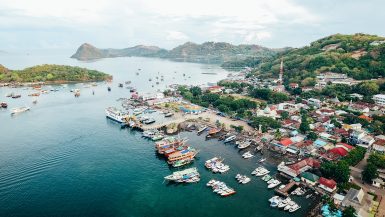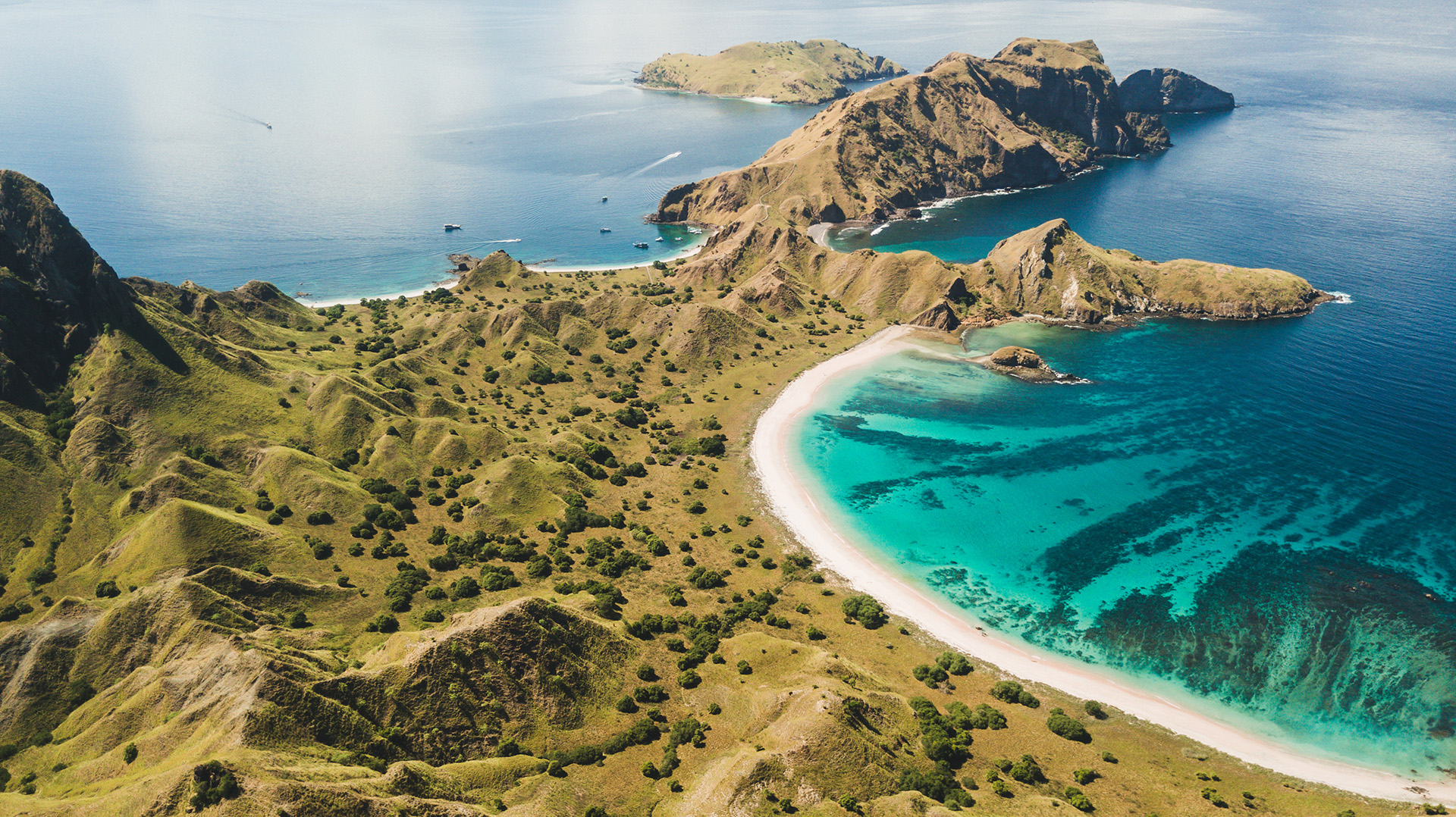
Few destinations in the world can match the raw, prehistoric drama of Komodo National Park. Home to the legendary Komodo dragon, dazzling pink sand beaches, and some of the richest marine waters in Southeast Asia, this remote corner of eastern Indonesia is truly one of a kind. This Komodo National Park travel guide covers everything you need — from getting here and the best things to see, to where to stay and when to go — so you can plan the perfect visit.
Quick Facts: Komodo National Park
Location: West Manggarai Regency, East Nusa Tenggara (NTT), Indonesia
Established: 1980 | UNESCO World Heritage Site since 1991
Area: ~1,733 km² (land + marine)
Main islands: Komodo Island, Rinca Island, Padar Island + 26 smaller islands
Komodo dragon population: ~3,000+ individuals
Nearest gateway city: Labuan Bajo (Flores Island)
Best time to visit: April – October (dry season)
What Is Komodo National Park? A Traveler’s Overview
Komodo National Park is an archipelago of islands located between the islands of Sumbawa and Flores in eastern Indonesia. Established in 1980 and declared a UNESCO World Heritage Site in 1991, the park was originally created to protect the Komodo dragon — the world’s largest living lizard — and has since become one of Indonesia’s most iconic travel destinations.
The park encompasses three major islands — Komodo, Rinca, and Padar — along with dozens of smaller ones. Beyond the famous dragons, the surrounding waters sit at the heart of the Asia-Pacific Coral Triangle, making this one of the most biodiverse marine environments on the planet, with over 1,000 species of fish, six species of rare whales, green turtles, manta rays, and reef sharks.
Top Reasons to Visit Komodo National Park
See Komodo Dragons in the Wild
There is nowhere else on Earth where you can observe Komodo dragons roaming freely in their natural savannah habitat. These ancient reptiles — which can grow up to 3 meters long and weigh over 90 kg — are the undisputed star attraction of the park. Ranger-guided treks on both Komodo and Rinca Islands bring you face-to-face with these remarkable creatures.
Explore World-Class Marine Biodiversity
The waters surrounding Komodo National Park are part of the Coral Triangle — often called the ‘Amazon of the seas’. Divers and snorkelers can encounter manta rays, reef sharks, sea turtles, vibrant coral gardens, and an extraordinary variety of reef fish. The diversity here consistently ranks among the best in Asia.
Experience Dramatic Landscapes and Trekking
Komodo National Park’s terrain is as diverse as its wildlife. Golden savannahs, volcanic hills, secluded bays, and dramatic ridgelines make it a compelling destination for hikers and photographers alike. The sunrise viewpoint on Padar Island is one of the most photographed landscapes in all of Indonesia.
Relax on Stunning Beaches
The park is home to several extraordinary beaches, most famously Pink Beach — one of only a handful of pink-sand beaches in the world. Whether you’re snorkeling, swimming, or simply soaking in the scenery, the beaches here are unforgettable.
Encounter Friendly Local Communities
The Bajau people — a seafaring community with centuries of history in these waters — inhabit several of the islands around the park. A visit to a local village offers a fascinating glimpse into a way of life intimately tied to the sea.
Komodo National Park Travel Guide: 6 Places You Must Visit
1. Komodo Island — Meet the Dragons
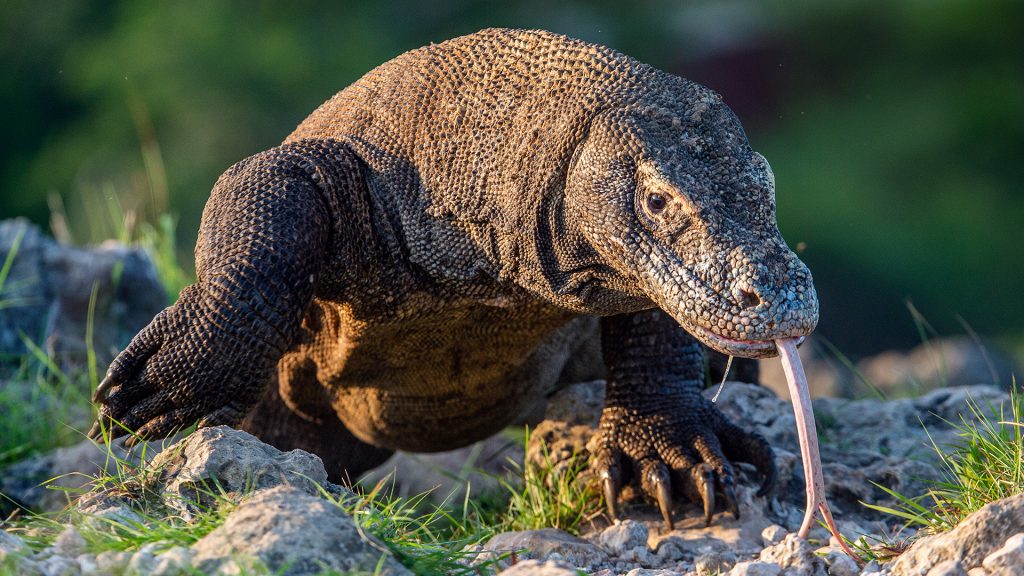
Komodo Island is the park’s largest island and its most iconic destination. Ranger-guided treks wind through open savannah and dry forest, where Komodo dragons bask in the sun, forage for food, or rest beneath shady trees. Treks range from 1 to 3 hours depending on the route. Always follow your guide’s instructions — these are powerful wild animals, and a safe distance must be maintained at all times.
2. Rinca Island — A Wilder, Quieter Alternative
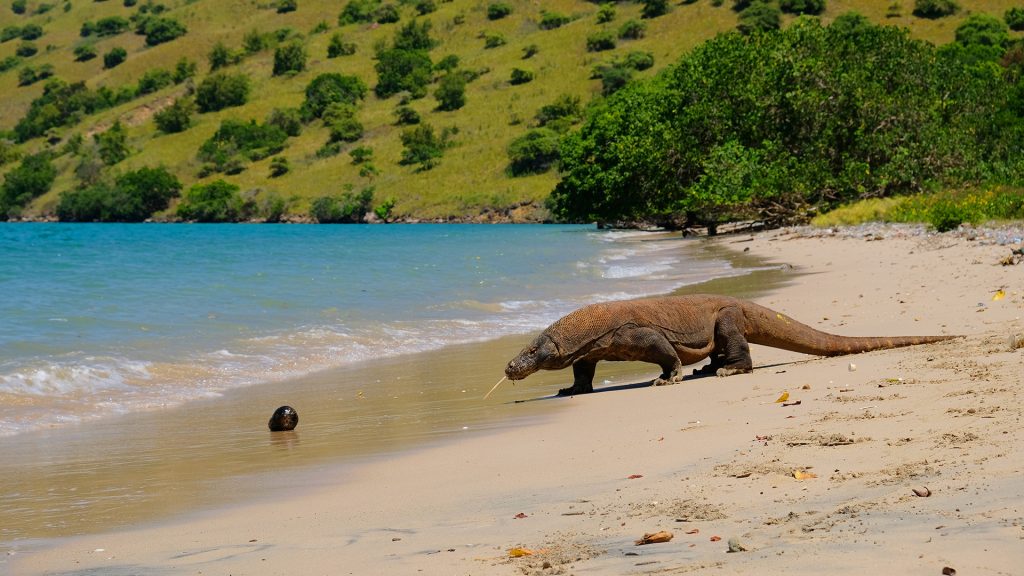
Rinca Island is the second-largest island in the park and, for many experienced travelers, the preferred destination for Komodo dragon sightings. The island sees fewer visitors than Komodo, and dragon encounters near the ranger station are frequent. The landscape — open savannahs with lontar palms overlooking Loh Buaya harbor — has an almost Jurassic atmosphere.
3. Padar Island — The Iconic Viewpoint

The panoramic viewpoint atop Padar Island’s central ridge is one of the most photographed landscapes in Indonesia. The 30–45 minute trek to the summit rewards hikers with sweeping views of three bays, each with distinctly different sand colors — white, black, and pink. Start the hike at sunrise for the best light and to beat the midday heat.
4. Pink Beach (Pantai Merah) — One of the World’s Rarest Beaches
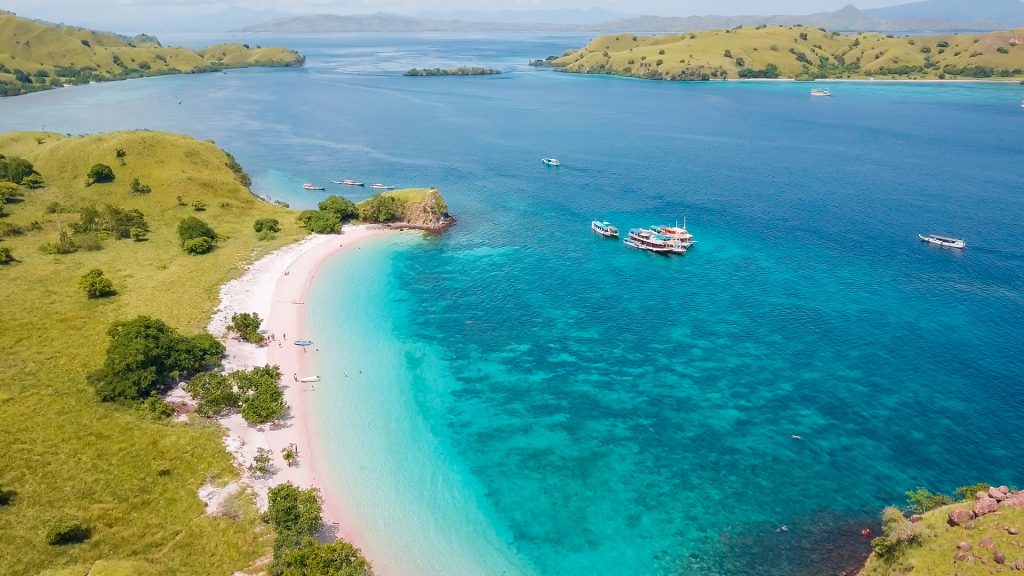
Pink Beach is one of only a handful of pink-sand beaches found anywhere on Earth. The distinctive hue comes from fragments of red coral mixed into the white sand. The reef just offshore is exceptionally healthy, making this one of the best snorkeling spots in the park. Note that Komodo dragons occasionally venture down to the beach — always stay alert and follow your guide’s instructions.
5. Manta Point — Diving with Giants
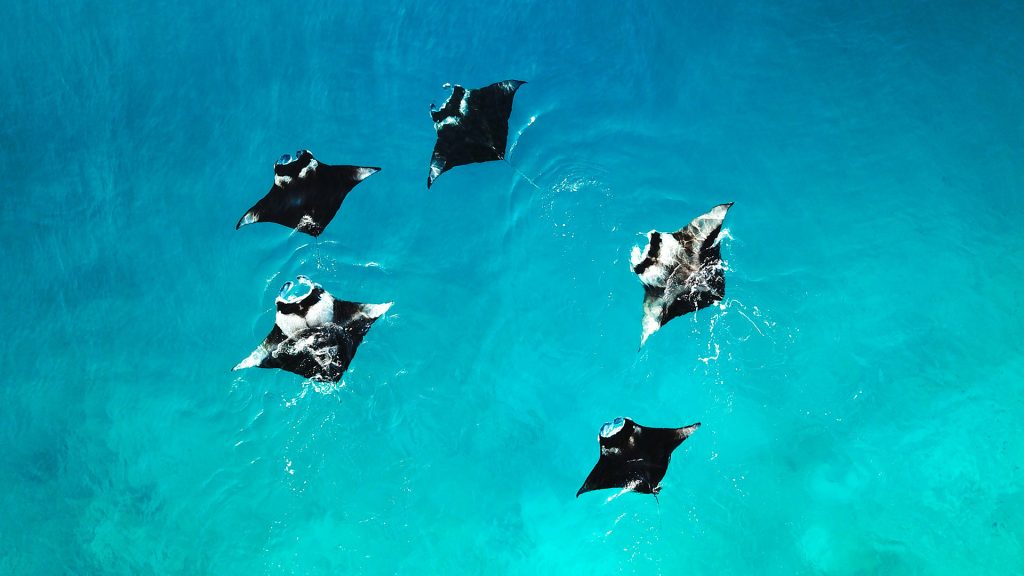
Manta Point is one of the most thrilling dive sites in the park. The channel here draws manta rays in to feed on plankton-rich currents, and close-range encounters are remarkably common. The site also offers beautiful coral reefs, sea turtles, and a variety of fish species. Strong currents are present — this site is recommended for intermediate to advanced divers.
6. Gili Lawa — For the Dedicated Hiker
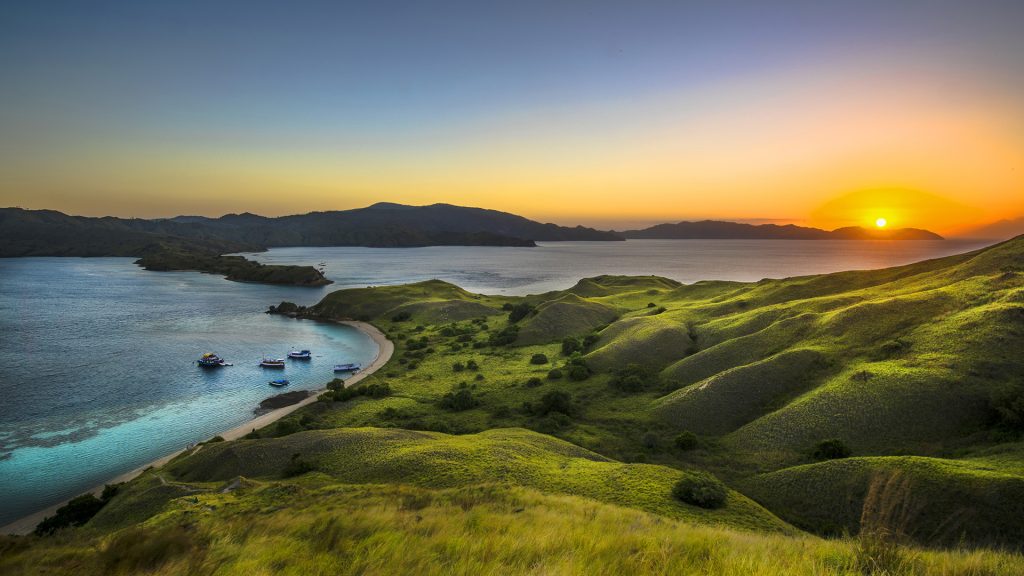
Less visited than Padar Island but equally rewarding, Gili Lawa offers a more challenging trek with narrower, steeper trails. The summit views over the surrounding islands and sea make every step of the ascent worthwhile. Pack plenty of water and wear sturdy shoes.
How to Get to Komodo National Park
The gateway to Komodo National Park is Labuan Bajo, a small coastal town on the western tip of Flores Island. All visitors travel to Labuan Bajo first, then arrange onward boat transport to the park’s islands.
Step 1: Fly to Labuan Bajo (Komodo Airport)
Komodo Airport (LBJ) in Labuan Bajo receives direct flights from several Indonesian cities:
- Bali/Denpasar (DPS): ~75 minutes — the most popular route
- Jakarta (CGK): ~2.5 hours direct
- Lombok (LOP): ~50 minutes direct
Airlines operating this route include Garuda Indonesia, Lion Air, Citilink, Wings Air, NAM Air, and AirAsia. Book well in advance during peak season (July–September).
Step 2: Take a Boat from Labuan Bajo to the Park
From Labuan Bajo harbour, the islands of Komodo National Park are reached by boat:
- Komodo Island: ~2 hours by speedboat
- Rinca Island: ~1 hour by speedboat
- Padar Island: ~1.5 hours by speedboat
Day trips and multi-day liveaboard tours can be arranged through operators along the Labuan Bajo waterfront. Most visitors join a shared boat tour that covers multiple islands in one or two days.
Alternative: Ferry from Bali or Lombok
A budget ferry route connects Bali to Labuan Bajo via Lombok and Sumbawa, but the journey takes approximately 36 hours and conditions can be rough. This option is best suited to travelers on extended island-hopping itineraries with flexible schedules.
Best Time to Visit: Komodo National Park Travel Guide by Season
Planning your timing is one of the most important parts of this Komodo National Park travel guide. The park’s climate is warm year-round, but conditions vary significantly by season.
Dry Season: April to October (Best Overall)
This is the ideal time to visit. Seas are calm, skies are clear, and all activities — trekking, diving, and island-hopping — are fully operational. July and August are the busiest months, with peak visitor numbers and the highest prices. Book accommodation and boat trips well in advance if visiting during this window.
Shoulder Season: March and November
The transition months offer a good balance between good weather and fewer crowds. Late March is particularly beautiful — the post-wet season brings lush, green hillsides, and whale shark sightings are more common in these waters during this period.
Wet Season: December to February
Heavy rain and rougher seas can limit boat access and impact dive conditions. Some operators reduce their schedules during this period. However, visitor numbers drop significantly, and prices are lower — an advantage for budget-conscious travelers who are flexible with their itinerary.
Best for Diving: September to November
Water temperatures range from 27–30°C, visibility is excellent, and the crowds thin out after the peak summer season. This is the sweet spot for divers who want ideal underwater conditions without competing for space at popular sites.
Where to Stay Near Komodo National Park
There is no accommodation on the islands within the national park itself — all visitors stay in Labuan Bajo and travel to the park by boat each day. This Komodo National Park travel guide covers the main options for every budget.
Liveaboard Boat (Best for Divers & Island Explorers)
A liveaboard — or Living on Board (LOB) — is the most immersive way to experience the park. You sleep on the boat, anchored in different bays each night, and wake up surrounded by the islands. Vessels range from basic wooden boats to luxury cruises, with amenities like private cabins, en-suite bathrooms, onboard dining, and dive equipment. Liveaboards are more expensive than land-based stays but offer unmatched access to the park’s remote corners.
Budget (~$15–30/night)
Labuan Bajo has plenty of guesthouses and homestays offering clean, comfortable rooms at budget prices. These are ideal for travelers who prefer to explore the park on daily shared boat tours.
Mid-Range (~$50–120/night)
Several well-reviewed mid-range hotels and boutique resorts line the Labuan Bajo waterfront, many with sea views, restaurants, and tour-booking services on site.
Luxury ($250+/night)
Premium options like Plataran Komodo Beach Resort and AYANA Komodo Resort offer five-star facilities including infinity pools, private beach access, and in-house dive centers. See our Labuan Bajo destination guide for a full breakdown of accommodation options.
Essential Tips for Your Komodo National Park Travel Guide Checklist
- Book boat tours and accommodation well in advance — especially July to September.
- Wear sturdy, closed-toe shoes for all island treks. Trails can be rocky and uneven.
- Apply high-SPF sunscreen generously and bring a hat — the tropical sun is intense.
- Bring cash (IDR). ATMs are available in Labuan Bajo but not on the islands.
- Stay hydrated — carry at least 1.5 litres of water per person for any trek.
- Always follow your ranger guide’s instructions around Komodo dragons. Maintain a safe distance at all times.
- Bring your dive certification card if you plan to dive at advanced sites like Manta Point.
- Travel insurance covering water sports and medical evacuation is strongly recommended.
- If you’re prone to seasickness, take medication before the boat journey — waters can be choppy, especially outside dry season.
Ready to Explore Komodo National Park?
Komodo National Park is one of Southeast Asia’s most extraordinary destinations — a place where prehistoric creatures still roam ancient landscapes, and the ocean teems with life found nowhere else on Earth. Whether you come for the dragons, the diving, or the dramatic island scenery, this is a journey that stays with you long after you’ve returned home.
Use this Komodo National Park travel guide to plan your trip, pack smart, and make the most of every moment in one of the world’s truly irreplaceable wild places.
FAQs
Yes — entry to the islands within the park requires a licensed ranger guide. This is mandatory for safety reasons, as Komodo dragons are wild and potentially dangerous animals. Guides are assigned at the ranger station on each island and are included in most organised boat tours.
Park entry fees, ranger fees, and boat transport costs vary depending on your chosen tour. As a rough guide: a shared day trip from Labuan Bajo covering 2–3 islands typically costs $40–80 per person including entrance fees. Liveaboard multi-day trips range from $100–300+ per person per night. Park entry fees are subject to change — check with your tour operator for the latest pricing.
Yes — Komodo National Park is safe to visit when you follow the rules. Always stay with your ranger guide, maintain a safe distance from Komodo dragons, and do not wander off marked trails. The guides are experienced and have an excellent safety record. Serious incidents are extremely rare.
A minimum of two days is recommended to cover the main highlights — Rinca or Komodo Island for dragon trekking, Padar Island viewpoint, Pink Beach, and a snorkeling or dive stop. For a more complete experience including multiple dive sites, remote beaches, and Gili Lawa, plan for 3–5 days on a liveaboard or with multiple day trips.
It is technically possible to reach Labuan Bajo and arrange your own boat and guide, but the vast majority of visitors use organised tours. Tour operators handle permits, ranger guides, boat logistics, and snorkeling or diving equipment — making the experience significantly more convenient and cost-effective than going fully independent.