

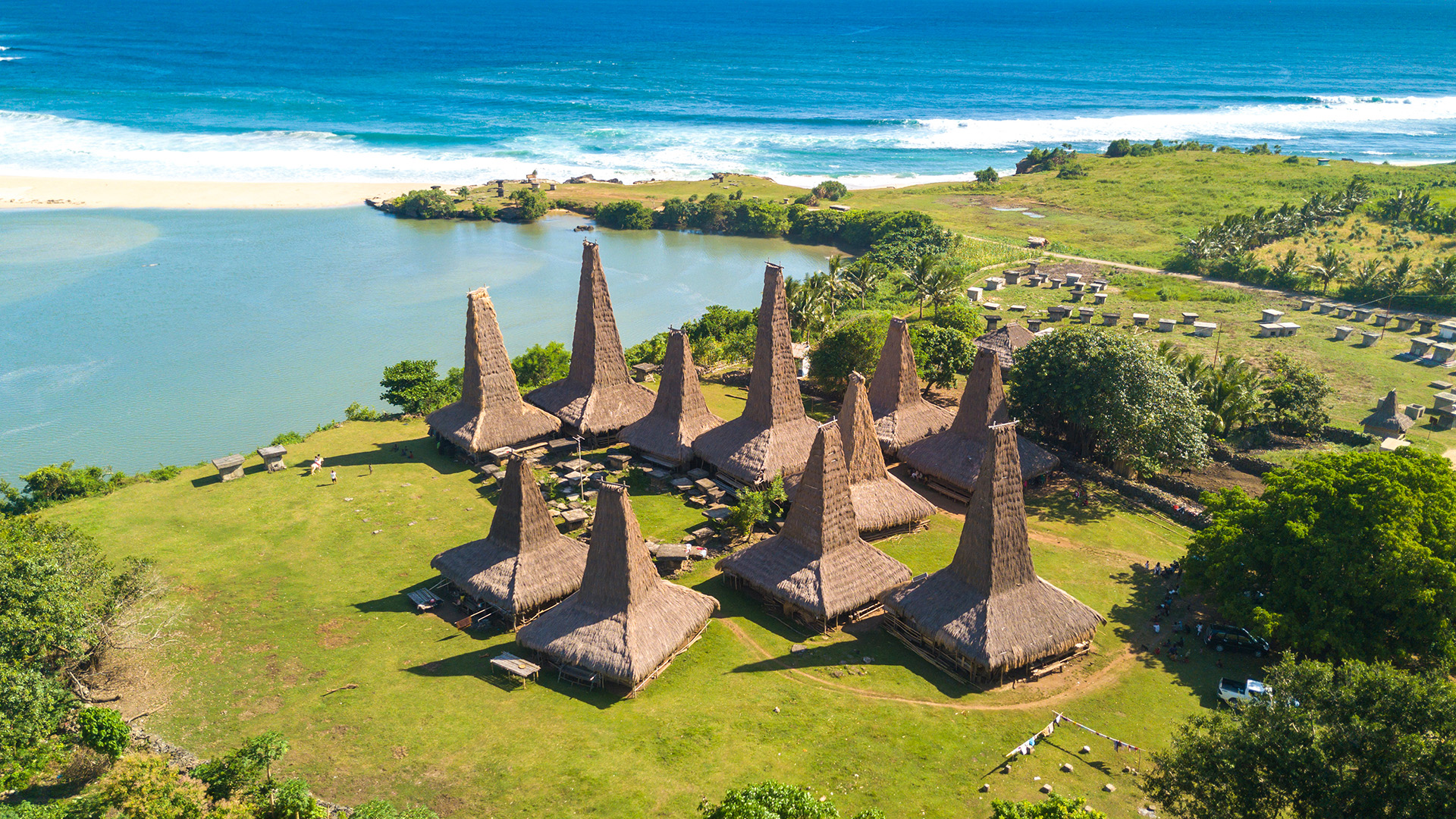
Sumba Island is one of Indonesia’s best-kept secrets. This rugged, wild, and culturally rich destination sits in East Nusa Tenggara Province. If you are searching for the best things to do in Sumba, you will find a remarkable mix of pristine beaches, dramatic waterfalls, ancient megalithic villages, and living cultural traditions.
Moreover, Sumba offers something completely different from the well-trodden tourist trail. Unlike Bali, the island remains largely off the mainstream radar. As a result, it is a rewarding choice for adventurous travelers who want authentic experiences without the crowds.
In addition, Sumba consistently surprises visitors. Whether you come for the legendary Pasola Festival, the pink-tinged sunsets at Walakiri Beach, or the challenge of trekking to a remote waterfall, this island delivers on every front.
Quick Facts: Sumba Island
Location: East Nusa Tenggara (NTT) Province, Indonesia
Main airports: Waikabubak/Tambolaka (TMC) in West Sumba | Waingapu (WGP) in East Sumba
Getting there: Flights via Bali (DPS) or Kupang (KOE) with connection to Sumba
Currency: Indonesian Rupiah (IDR) — carry cash, ATMs are limited outside towns
Best time to visit: May – October (dry season) | Feb – March (Pasola Festival)
Language: Bahasa Indonesia; limited English outside main towns
How to Get to Sumba Island
There are no direct international flights to Sumba. Most travelers fly into Bali or Kupang first. From there, they connect to one of Sumba’s two airports:
- Waikabubak/Tambolaka Airport (TMC): serves West Sumba. It sits close to Weekuri Lagoon, Ratenggaro Village, and Mandorak Beach.
- Waingapu Airport (WGP): serves East Sumba. It connects easily to Walakiri Beach, Wairinding Hills, and Tarimbang Beach.
Furthermore, renting a car with a driver is the most practical way to get around the island. Roads outside the main towns can be rough. Additionally, distances between attractions are significant, so plan your itinerary carefully.
16 Best Things to Do in Sumba Island
Here are the top experiences that make Sumba one of Indonesia’s most extraordinary destinations:
1. Watch the Pasola Festival
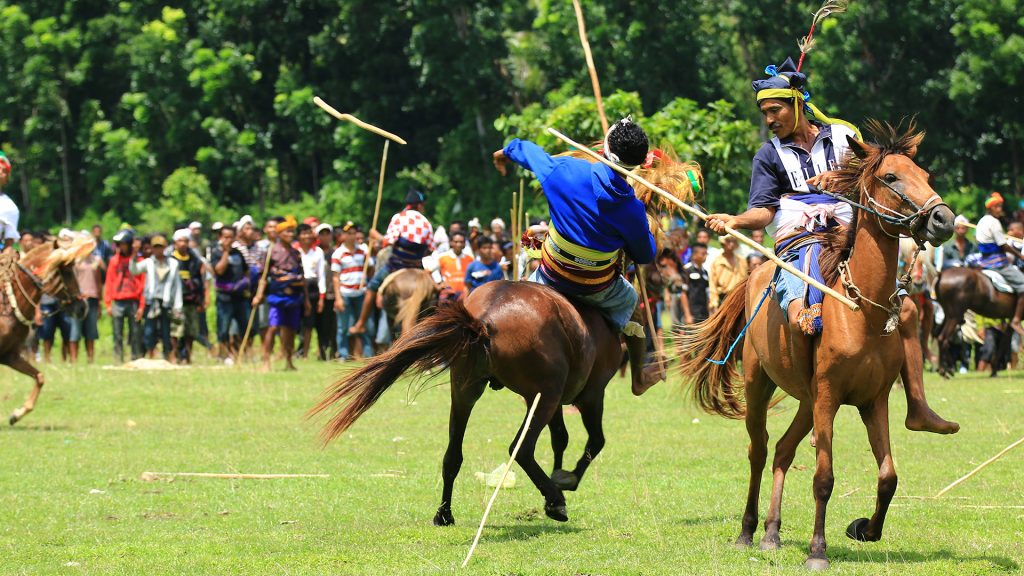
No list of things to do in Sumba is complete without the Pasola Festival. This ancient ritual is one of the most dramatic cultural events in all of Indonesia. Teams of horse-mounted riders hurl wooden javelins at each other across an open field. This ceremony forms part of the harvest tradition in the indigenous Marapu belief system.
Furthermore, the atmosphere is electric. Pasola draws international travelers, photographers, and cultural enthusiasts from across the globe. The festival takes place annually in February and March across different regions of West Sumba. During these days, local families often open their homes to travelers. Additionally, temporary food stalls appear around the venue. Because of its popularity, many tour operators include Pasola in their itineraries — book well in advance.
2. Surf the Waves at Tarimbang Beach
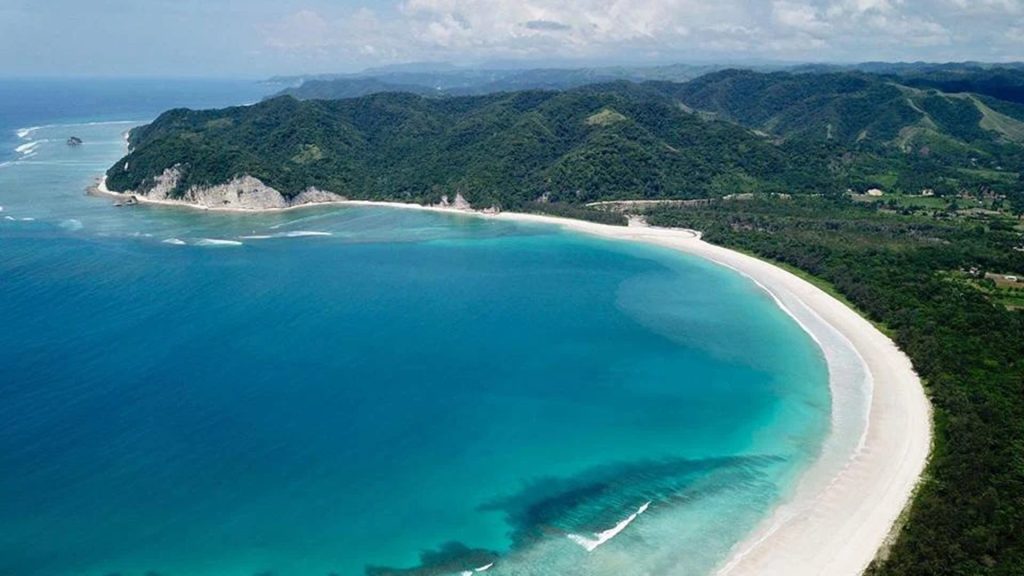
Tarimbang Beach in eastern Sumba is a well-kept secret among surfers. The beach offers pristine white sand and turquoise water. A small coastal forest shelters the bay, creating a beautiful natural enclosure. The waves here suit intermediate surfers well, and the surrounding scenery is spectacular.
However, getting here requires a 3–4 hour drive from Waingapu. That said, the journey through Sumba’s rolling hills is scenic in its own right. A small lagoon at the edge of the beach makes a perfect relaxation spot. Since the beach has no facilities, bring your own food, water, and a trash bag.
3. Taste Fresh Seafood at Waingapu Harbour
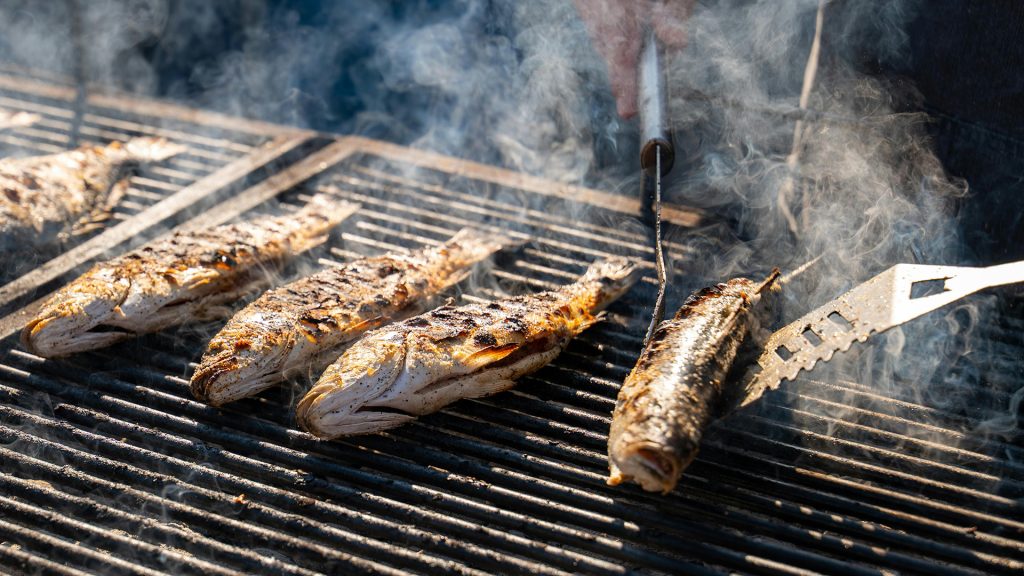
The old seaport of Waingapu — locally known as Pelabuhan Rakyat — comes alive at dinnertime. Small restaurants and food stalls line the waterfront. Local fishermen supply everything on the menu directly from their boats. Grilled fish, squid, prawns, and shellfish are the stars of the show.
In addition, do not miss ikan kuah asam — a signature Sumba dish of fish in a sour tamarind broth. The local Waingapu chicken soup is also worth trying. Overall, the atmosphere here is relaxed, unpretentious, and very affordable.
4. Photograph the ‘Dancing Trees’ at Walakiri Beach
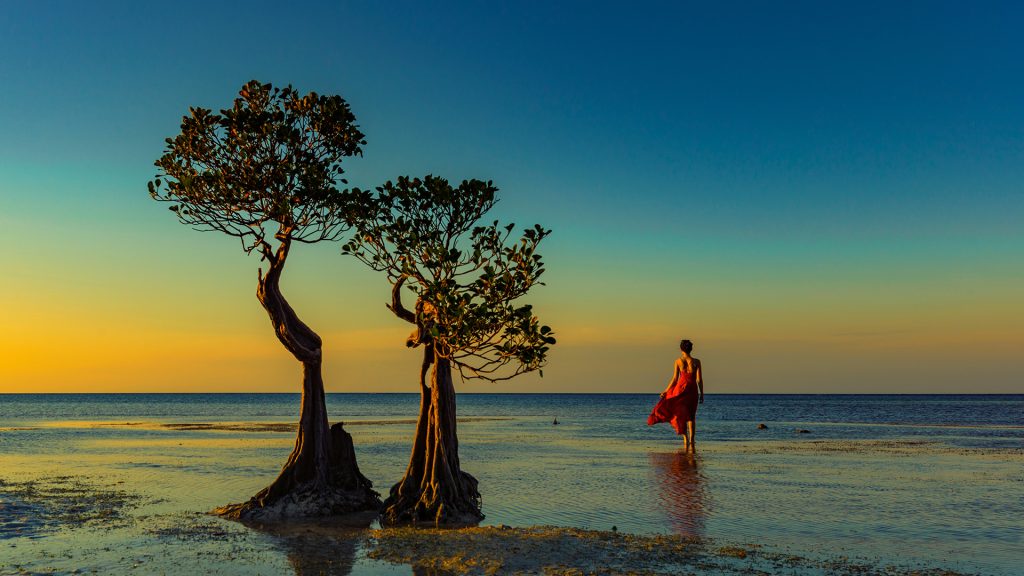
Walakiri Beach in eastern Sumba is famous for its mangrove trees. These trees jut out from the tidal flats at the western end of the beach. At low tide, their twisted shapes create the illusion of dancing figures. This makes for a striking and highly photogenic scene, especially at golden hour.
Moreover, the beach itself is clean and quiet, with white sand and calm waters. Small food and drink stalls are available nearby. However, bring a water bottle for the walk. Check tide times before you visit to catch the mangroves at low tide.
5. Swim and Snorkel at Weekuri Lagoon
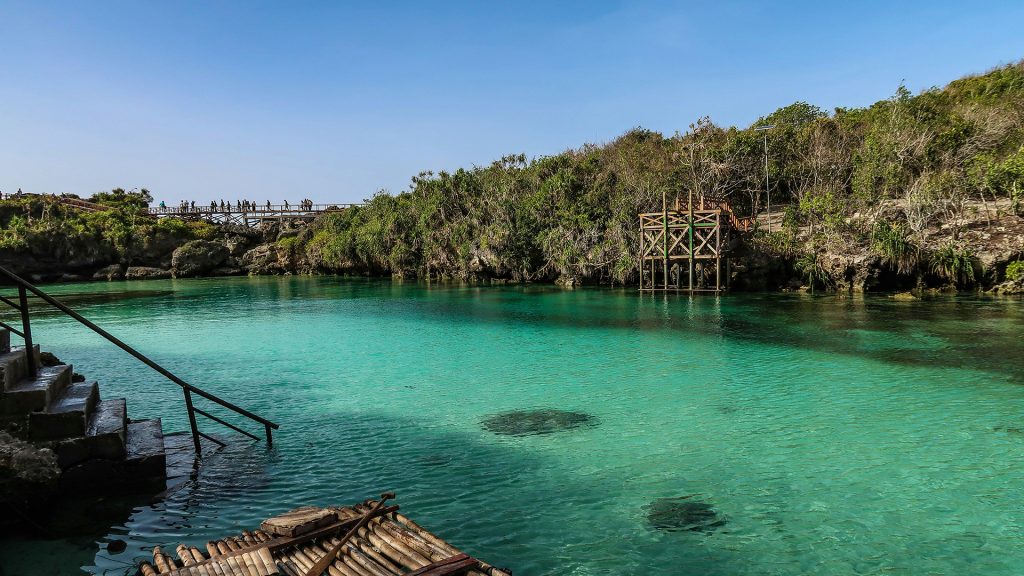
Weekuri Lagoon is a natural tidal lagoon in western Sumba. Jagged rock formations and lush vegetation surround it on all sides. The lagoon holds clear, blue-green water and a shallow sandy bottom. As a result, it is ideal for swimming, floating, and snorkeling.
Furthermore, the lagoon sits just 20 metres from the open beach. This means you can easily combine both spots in a single visit. The water stays calm and clear throughout the year. Therefore, Weekuri is one of the most accessible and family-friendly attractions on the island.
6. Explore Ratenggaro Traditional Village
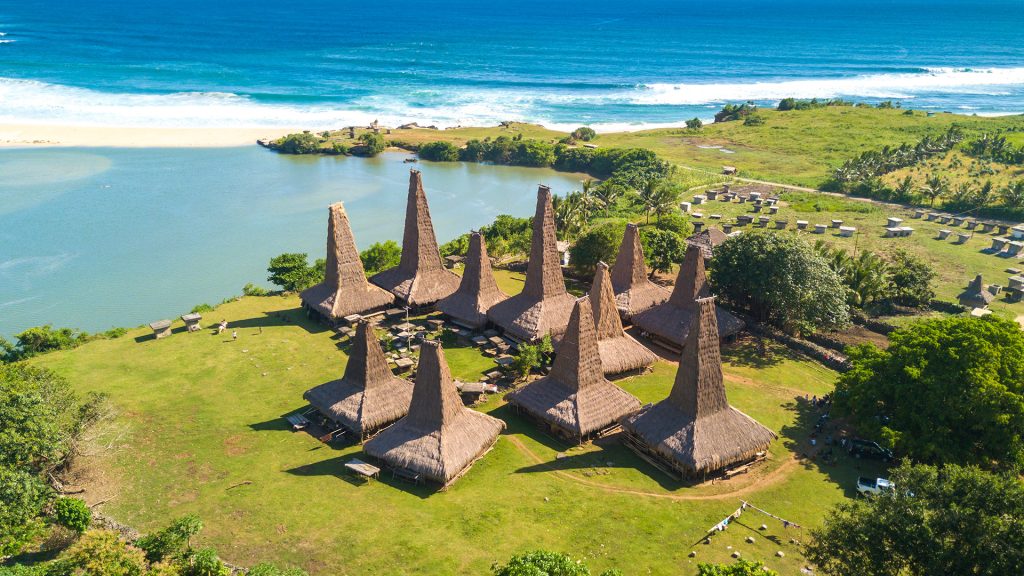
Ratenggaro is one of Sumba’s most visually striking traditional villages. It sits in the southwestern corner of the island, near a pristine beach. The village is home to followers of the indigenous Marapu faith. Their bamboo houses feature towering, dramatically-peaked roofs. These roofs honour ancestral spirits, according to local belief.
In addition, a short walk of around 500 metres from the village leads to a field of megalithic stone tombs. Some archaeologists estimate these tombs are over 4,500 years old. Because of this combination of living culture and ancient heritage, Ratenggaro is one of the most rewarding stops on any Sumba itinerary. Above all, treat the site with the respect it deserves.
7. Marvel at the Rock Formations at Mbawana Beach
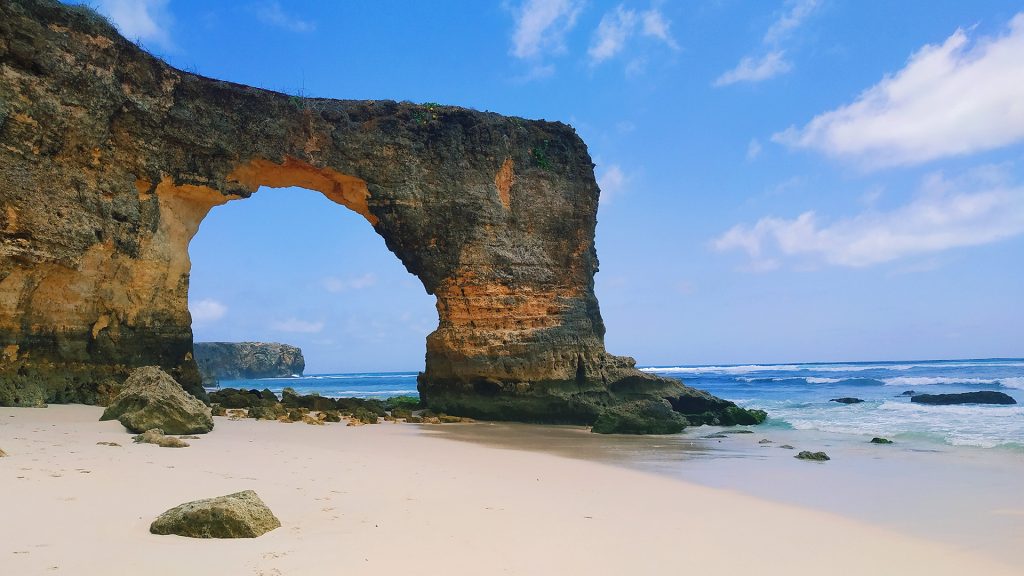
Mbawana Beach is one of Sumba’s most dramatic coastal landscapes. The beach sits about one hour’s drive from Tambolaka Airport. Massive cliffs and rock formations line the shoreline, creating a raw and cinematic atmosphere. The most iconic feature is a natural stone archway that erosion has carved over centuries.
As a result, this archway creates a perfect frame for photography. However, the best shots come at sunset, when golden light fills the stone arch. Moreover, the beach sees relatively few visitors, so you can enjoy the scenery in peace.
8. Discover the Hidden Gem of Mandorak Beach
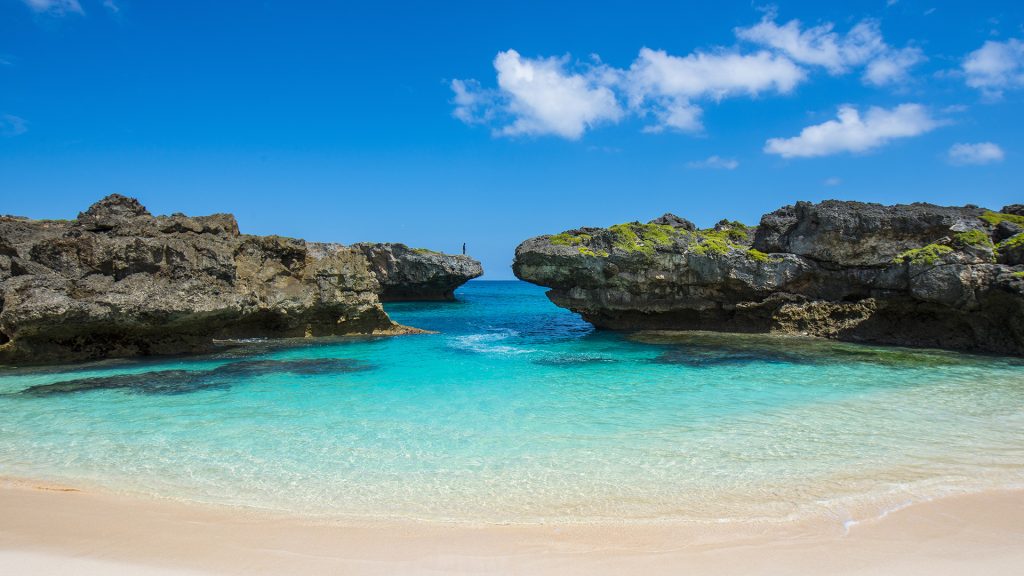
Mandorak Beach is a small, secluded cove in West Sumba. Rock formations on either side create a natural enclosure. This gives the beach a private, intimate atmosphere. The surrounding vegetation adds to the sense of discovery. The water is clear and calm — perfect for a quiet swim.
Furthermore, a small car park sits at the trailhead. From there, a 500-metre path leads down to the beach. The path is narrow and uneven, so wear sturdy footwear. Since there are no facilities, bring everything you need for the day.
9. Walk Among Ancient Megalithic Tombs
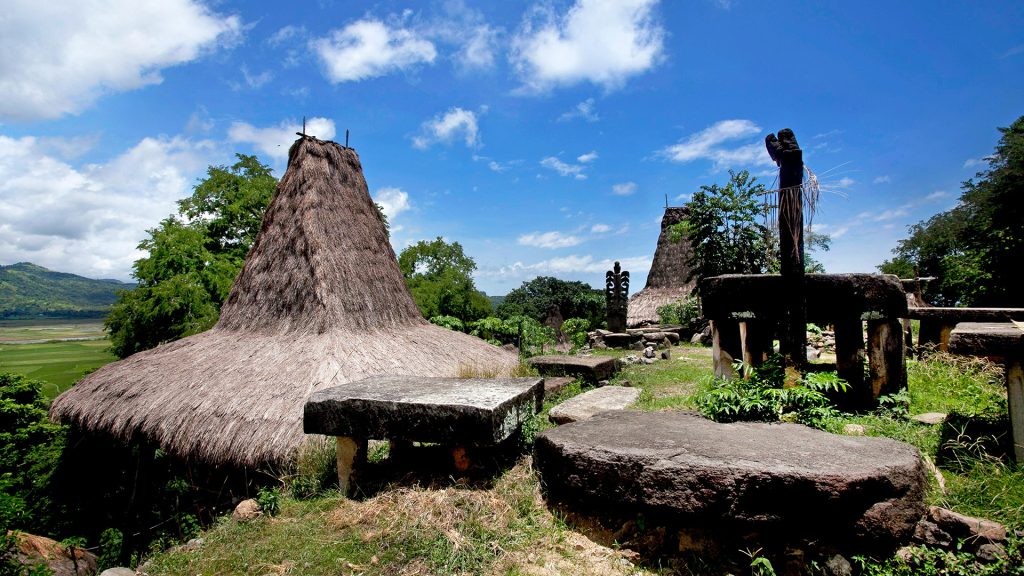
Sumba holds one of Indonesia’s most significant concentrations of megalithic heritage. In the villages surrounding Waikabubak City — including Ana Bura, Gallu Bakul, and Pasunga — you will find enormous stone tombs. Craftspeople carved these with human figures and ancestral symbols. Some date back thousands of years, yet communities still use them in ceremonies today.
Moreover, all three villages lie within 20 km of Waikabubak. A rental motorcycle or car provides easy access. However, treat these sites with deep respect. They are not museum exhibits — they form a living part of Sumbanese cultural and spiritual life.
10. Surf at Kalala Beach and Visit Watu Parunu
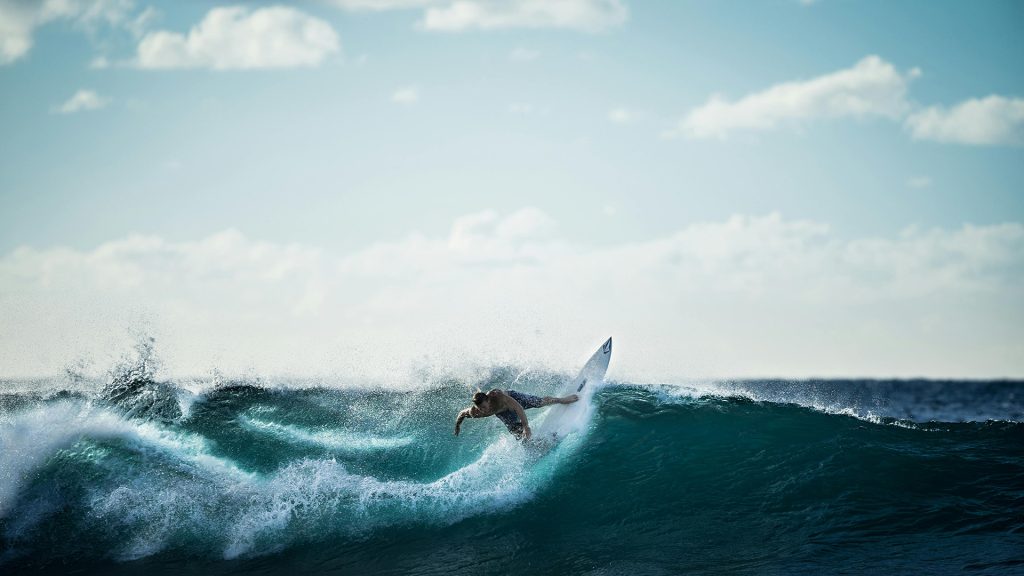
Kalala Beach in eastern Sumba is a surfer’s hideaway. The beach is remote, uncrowded, and blessed with consistent waves. The nearest town is Melolo, about 60 km away. As a result, you will likely have the beach almost entirely to yourself. The isolation is, in fact, a big part of its appeal.
In addition, Watu Parunu Beach lies just 2 km from Kalala. This spot offers calm, clear water — perfect for swimming. Its white sand, turquoise water, and rock formations create a beautiful setting. Furthermore, local fishermen often work the waters nearby, adding a slice of authentic daily life to the scenery.
11. Hike the Golden Grasslands of Wairinding Hills
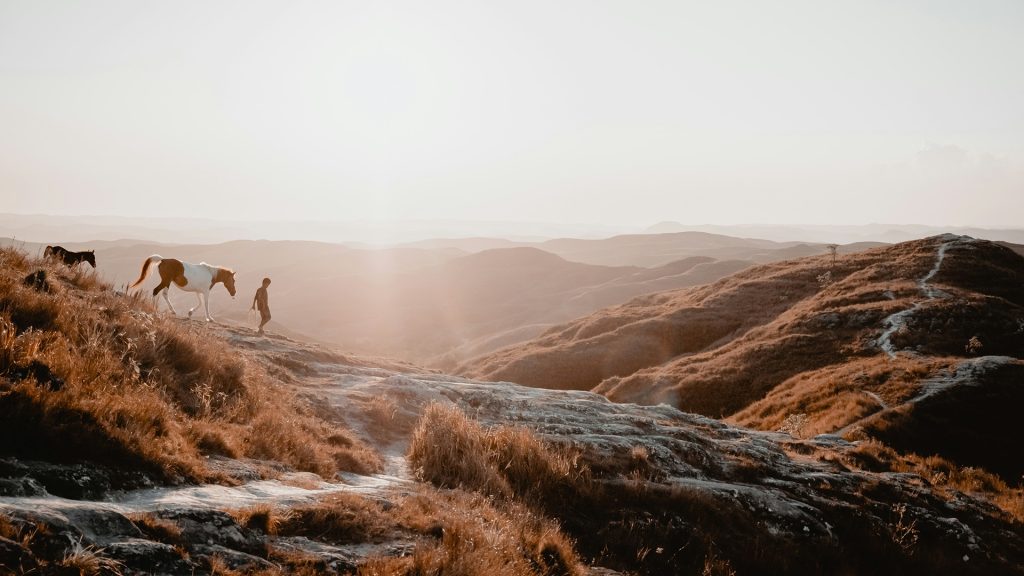
Wairinding Hills lie 25 km from Waingapu and offer one of Sumba’s most photogenic landscapes. During the dry season, the rolling hills turn a rich golden colour. In the rainy season, however, they shift to a vivid, lush green. Narrow footpaths wind across the ridges, offering multiple vantage points for photography.
Furthermore, the road to Wairinding is reasonably well maintained. Sunrise and late afternoon provide the most dramatic lighting. Therefore, plan your visit around these times if you can. Because there is very little shade on the hillsides, bring plenty of water and a hat.
12. Visit the Sacred Matayangu Waterfall
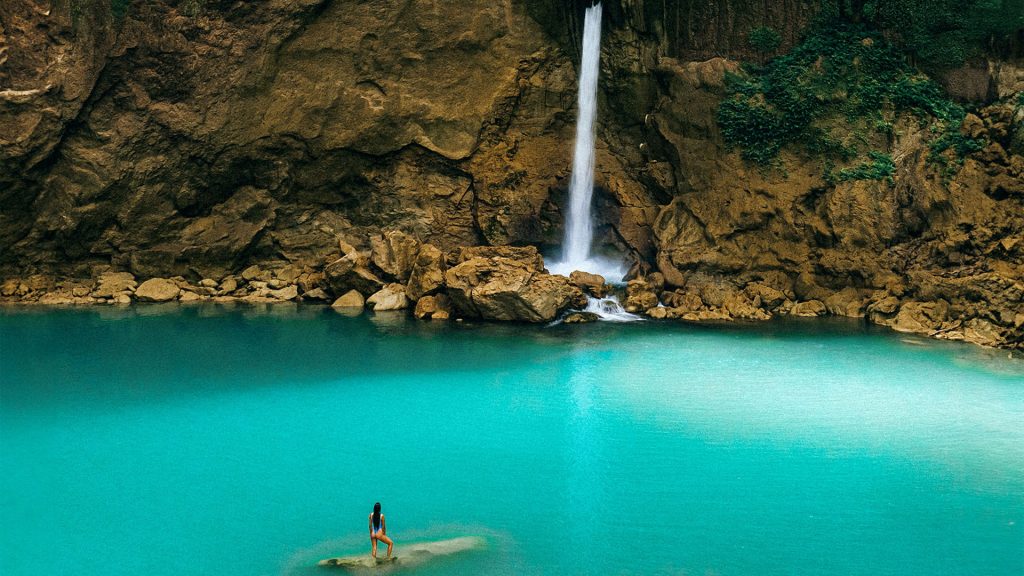
Matayangu Waterfall holds deep spiritual significance in Sumbanese Marapu culture. Local people believe ancestral spirits dwell here, and they treat the site with great reverence. The waterfall itself is visually striking. Rather than flowing over a cliff edge, it pours through a narrow crack in the rock face. This creates a fine, misty spray that drops into a beautiful clear pool.
Moreover, the waterfall sits within Manupeu Tanah Daru National Park — a protected forest home to 57 butterfly species, including seven found nowhere else on Earth. Visit respectfully and follow guidance from a local guide.
13. Swim Beneath Lakolat Waterfall
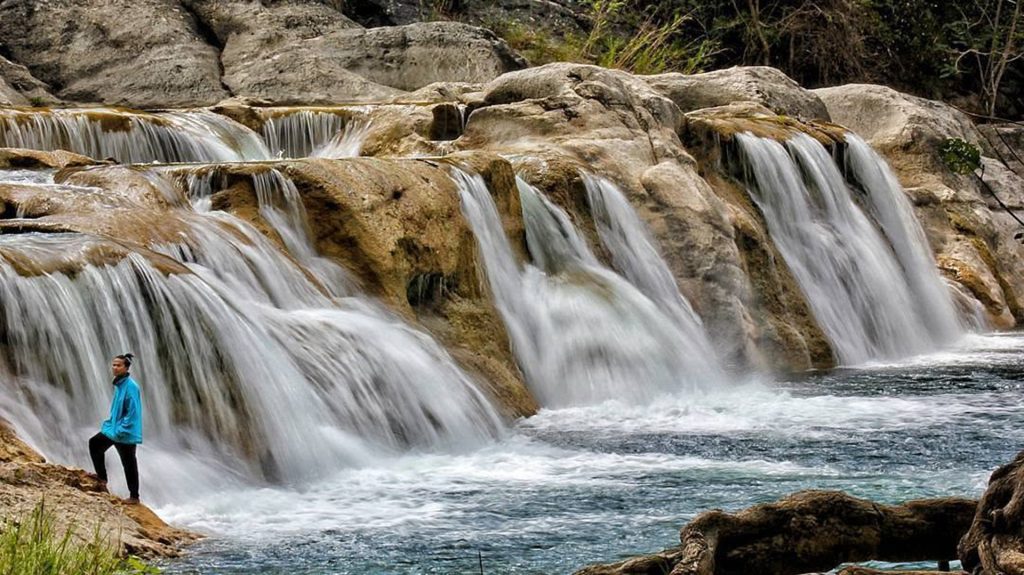
Locals compare Lakolat Waterfall (also known as Koalat Waterfall) in eastern Sumba to a miniature Grand Canyon. The waterfall drops in a wide curtain from layered, honey-coloured rock formations into a cool, clear pool below. Most unusually, water has shaped the flat rocks at the top into natural bowl-like formations. Visitors can sit inside these natural ‘bathtubs’ and soak while taking in the scenery.
However, Lakolat is not easy to reach. The waterfall sits near Maidang Village, around 70 km from Waingapu. Furthermore, the road to the site is unpaved and remote. As a result, a rental motorcycle or car is the best mode of transport.
14. Trek to the Remote Kanabu Wai Waterfall
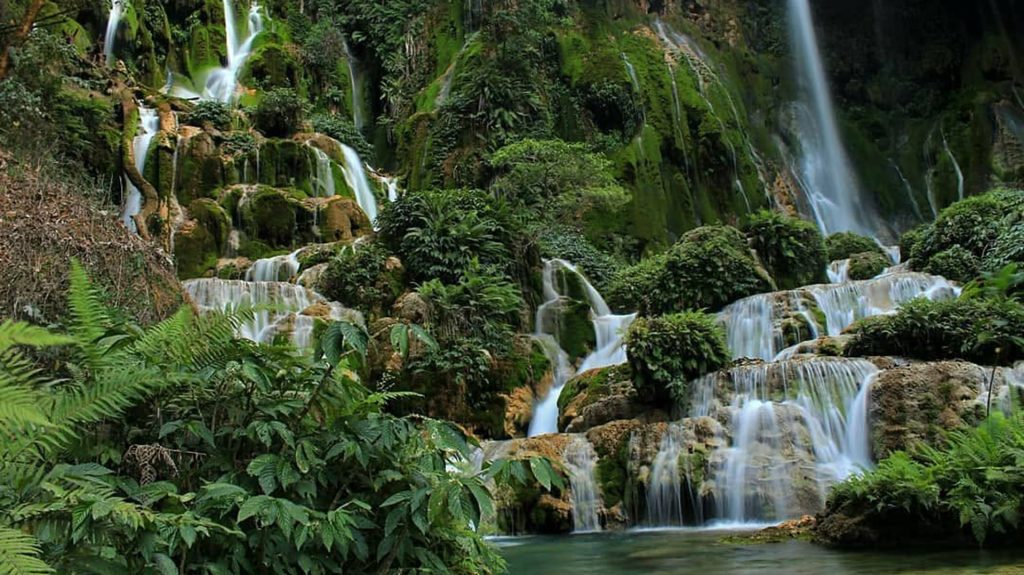
Kanabu Wai Waterfall is for travelers who want a genuine adventure. The waterfall cascades in multiple elegant curtains down towering rock faces into tiered pools. Dense jungle surrounds the entire area. Because of its extraordinary beauty, it rewards every bit of effort the journey demands.
However, reaching Kanabu Wai is a serious undertaking. The waterfall lies near quiet Waikanabu Village, approximately 130 km from Waingapu. From the village, a 12-hour forest trek is required. Therefore, an overnight camp is necessary. Hire a local guide and bring reliable camping gear. For those fit and adventurous enough, the experience is truly unforgettable.
15. Experience Living Culture at Kampung Raja Prailiu
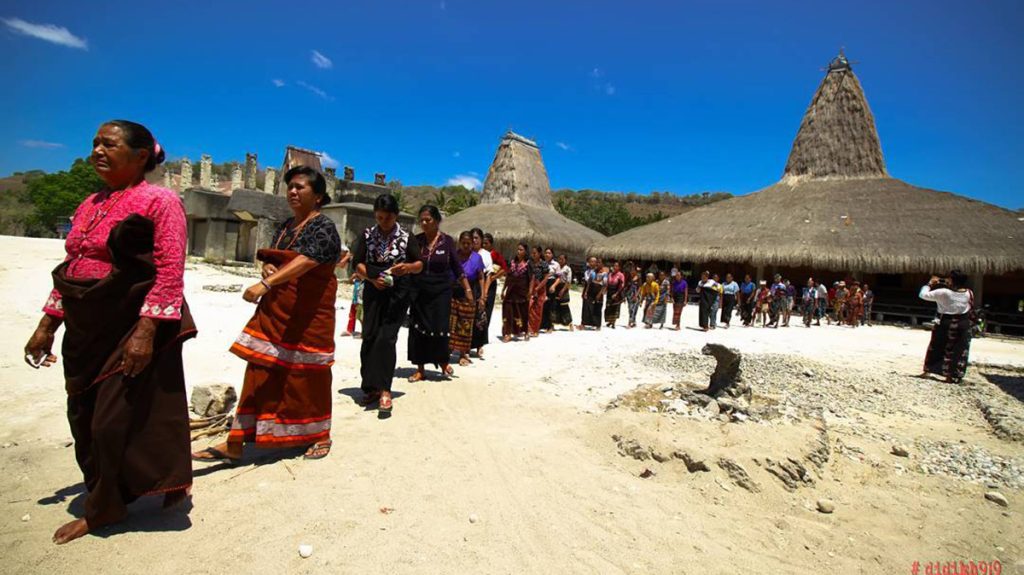
Kampung Raja Prailiu in eastern Sumba warmly welcomes visitors while actively preserving its cultural heritage. The village’s Uma Mbatang and Uma Hori houses stand out with their dramatically tall, thatched roofs. Local women practice the art of weaving traditional ikat fabric. This painstaking process can take months to complete.
Furthermore, visitors can watch the weaving process and learn about the cultural meaning behind different motifs. In addition, guests can rent traditional outfits for photographs and buy handmade ikat directly from local artisans. Upon entering the village, hosts traditionally offer betel leaves to guests. Accepting this gesture is an important sign of respect.
16. Explore Halura Island and Its Surrounding Islands
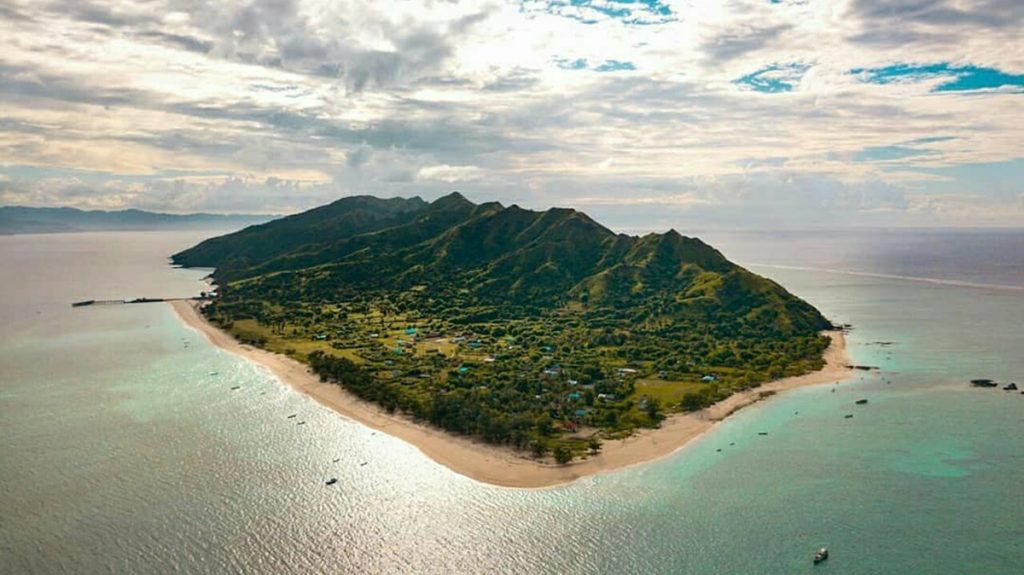
Halura — also known as Salura Island — is the easternmost island off the Sumba coast. A small community of fishing families calls the island home. The beaches here are in pristine condition, and the snorkeling is excellent. In addition, small jungle-covered hills offer rewarding short treks with sea views.
Moreover, at low tide, a natural sand pathway connects Halura to nearby Kotak Island. This uninhabited island is home to wild goats and beautiful scenery. Another option is Menggudu Island — locals will take you there by boat. Furthermore, there are no tourist facilities on any of these islands. However, the community is welcoming: visitors can arrange fresh-fish meals and simple homestay accommodation by negotiating directly with locals.
Travel Tips for Things to Do in Sumba: Plan Your Trip Right
- Rent a car with a driver for the most flexibility — roads can be rough and distances are long.
- Carry sufficient cash at all times. ATMs exist in Waingapu and Waikabubak but are rare elsewhere.
- Book accommodation and transport well in advance if you plan to attend the Pasola Festival in February or March.
- Bring your own food, water, and trash bags to remote beaches — facilities are minimal outside the main towns.
- Wear sunscreen, a hat, and light, breathable clothing — the sun in Sumba is very intense.
- Hire a local guide for waterfall treks, especially for Kanabu Wai — trails are difficult to navigate alone.
- Be respectful in traditional villages. Ask permission before photographing people or sacred sites. Accept cultural gestures like the betel nut offering at Prailiu Village.
- Visit between May and October for beaches and outdoor activities. Choose February or March for cultural festivals.
Ready to Discover the Best Things to Do in Sumba?
Sumba is an island that rewards those willing to travel a little further. From the ancient drama of the Pasola Festival to the serene beauty of Weekuri Lagoon, the things to do in Sumba span an extraordinary range of experiences. Furthermore, this destination offers a side of Indonesia that remains raw, authentic, and genuinely unforgettable.
Above all, Sumba is still relatively undiscovered — but not for long. Visit while the island retains its quiet, unhurried character. For more destination inspiration, explore Sumba’s official tourism highlights to help plan your trip.
FAQs
Absolutely. Sumba offers natural beauty, cultural richness, and authentic experiences that are increasingly rare in Indonesia. Unlike Bali or Lombok, the island remains largely undeveloped. As a result, it is ideal for travelers who seek something genuinely off the beaten path. The combination of world-class beaches, ancient megalithic culture, and unique festivals makes it one of the most rewarding destinations in Southeast Asia.
The dry season from May to October is the best overall window. Skies are clear, roads are accessible, and outdoor activities run at full capacity. However, if cultural experiences are your main goal, plan your visit around the Pasola Festival in February or March. The wet season from November to April can make roads difficult, particularly to remote attractions.
Plan for a minimum of 5–7 days to cover both East and West Sumba meaningfully. East Sumba and West Sumba each deserve at least 2–3 days. Furthermore, for a comprehensive experience that includes trekking and remote beaches, 10 days or more would be ideal.
Yes — Sumba is safe for tourists. Local people are known for their warmth and hospitality. Standard travel precautions apply: be respectful in traditional villages, stay on marked paths in national park areas, and hire a local guide for remote treks. Moreover, road conditions outside main towns can be challenging. A reliable vehicle and experienced driver are therefore strongly recommended.
Pack light, breathable clothing for the heat. Additionally, bring a light jacket for cooler evenings. Essentials include high-SPF sunscreen, insect repellent, a sturdy hat, and comfortable closed-toe shoes for trekking. Furthermore, carry a reusable water bottle, sufficient cash, a basic first aid kit, and a trash bag for remote beach visits. If you plan to snorkel or dive, a rash guard provides excellent sun protection in the water.