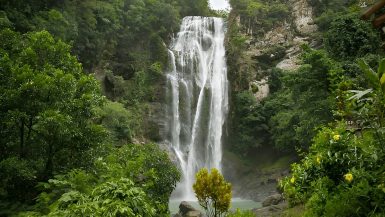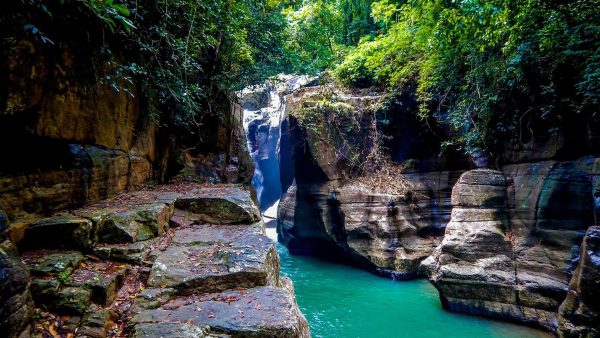
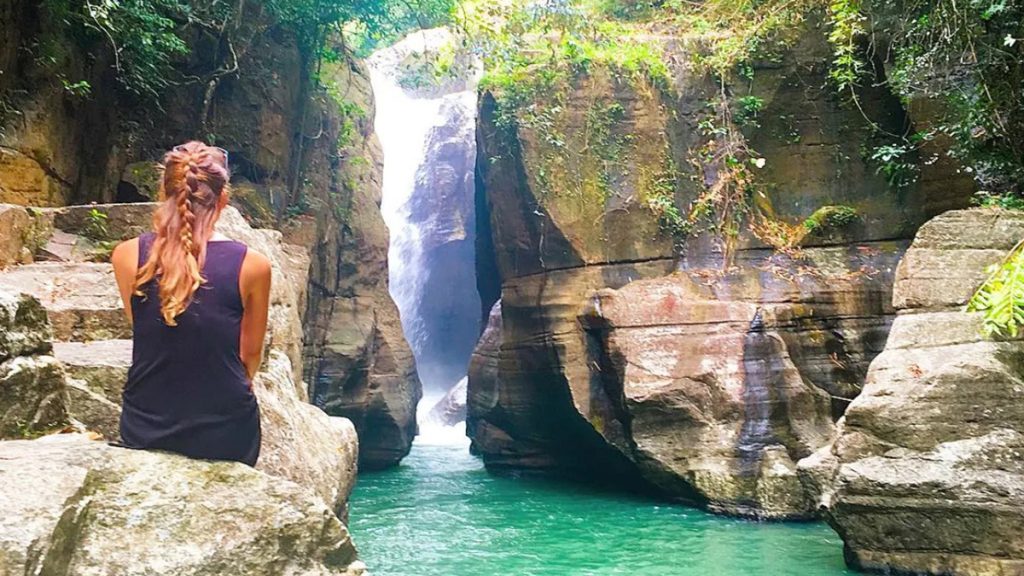
Cunca Wulang Waterfall is one of the most visually dramatic natural attractions near Labuan Bajo, Flores. Tucked into the Mbeliling forest of West Manggarai Regency, this striking waterfall flows between towering walls of sculpted limestone and basalt rock, earning it the nickname of Flores’ own miniature Grand Canyon. The turquoise-blue water, the soaring cliff formations, and the lush jungle canopy above create an atmosphere unlike any other waterfall in the region.
Moreover, Cunca Wulang sits just 30 kilometres from central Labuan Bajo. This makes it one of the most accessible waterfall day trips in the area. In the local Manggarai language, “cunca” means waterfall and “wulang” means moon. The name translates as Moon Waterfall — a poetic name that reflects the cool, luminous quality of the water in the right light. This guide covers everything you need to plan a visit to Cunca Wulang Waterfall from Labuan Bajo.
Quick Facts: Cunca Wulang Waterfall
Location: Wersawa Village, Mbeliling, West Manggarai Regency, East Nusa Tenggara (NTT)
Distance from Labuan Bajo: Approximately 30 km (about 1 hour by road)
Altitude: Approximately 200 metres above sea level
Trek from road to waterfall: Approximately 4 km (30 to 45 minutes on foot)
Entry fee: IDR 30,000 – 50,000/person
Float rental: IDR 10,000 (available at the site)
Opening hours: 6:00 am to 5:00 pm, daily
Best time to visit: April to October (dry season)
Cliff jump height: 6 metres (at own risk)
Where Is Cunca Wulang Waterfall?
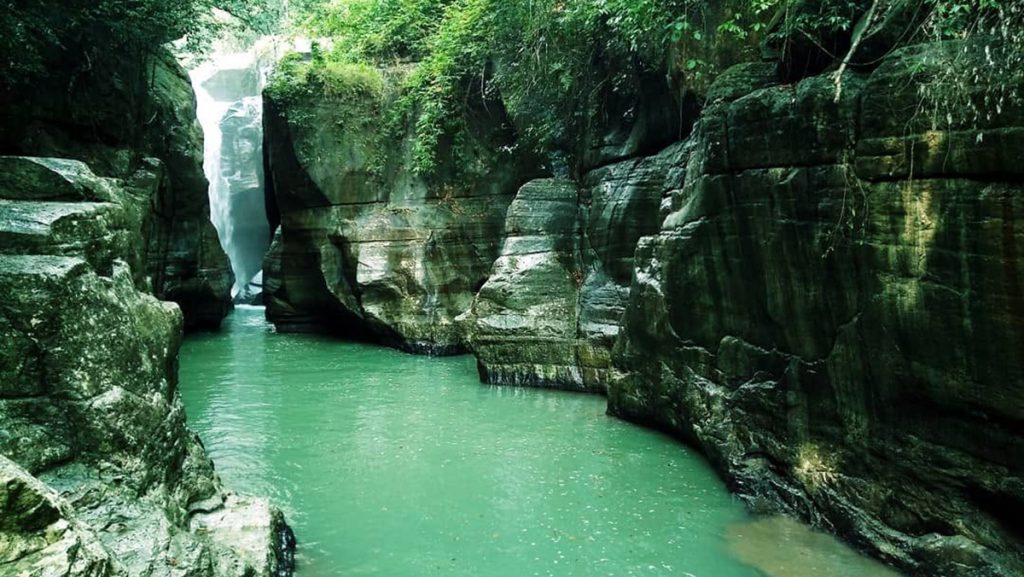
Cunca Wulang Waterfall is located in Wersawa Village, within the Mbeliling forest area of West Manggarai Regency, East Nusa Tenggara Province. It sits approximately 30 kilometres east of Labuan Bajo at an altitude of around 200 metres above sea level. As a result, the temperature around the waterfall is noticeably cooler than at sea level — a refreshing contrast to the heat of the coast.
Furthermore, Cunca Wulang belongs to the same broader Mbeliling forest landscape as Cunca Rami and Cunca Lega Waterfalls. Each of the three waterfalls has a distinct character. Cunca Wulang is distinguished by its dramatic rock canyon formations. In addition, the presence of a natural pool with a cliff jumping spot makes it particularly popular among active and adventurous visitors.
How to Get to Cunca Wulang Waterfall
The journey to Cunca Wulang Waterfall from Labuan Bajo combines a one-hour road trip with a 4-kilometre trek on foot. Here is a step-by-step guide:
Stage 1: Drive from Labuan Bajo to Cekondo (approximately 1 hour)
From central Labuan Bajo, take the road east toward Ruteng. The journey to the Cekondo bus stop takes approximately one hour by car or motorcycle. The road is mostly paved, though some sections are rough closer to the forest area.
Transport options for this stage include:
- Public bus (Trans Flores): The most budget-friendly option. Board at the Labuan Bajo terminal and alight at the Cekondo stop.
- Rental motorcycle: Offers flexibility and is ideal for those who want to stop along the route. The cobblestone sections closer to the waterfall area require care.
- Rental car with driver: Most comfortable for groups. A driver familiar with the area is a useful advantage.
Stage 2: Trek from Cekondo to Cunca Wulang (approximately 30 to 45 minutes)
From the Cekondo stop, the trail to Wersawa Village and then on to the waterfall covers approximately 4 kilometres. The trek takes 30 to 45 minutes at a comfortable pace. The path passes through lush forest and includes a mix of flat sections and steeper inclines.
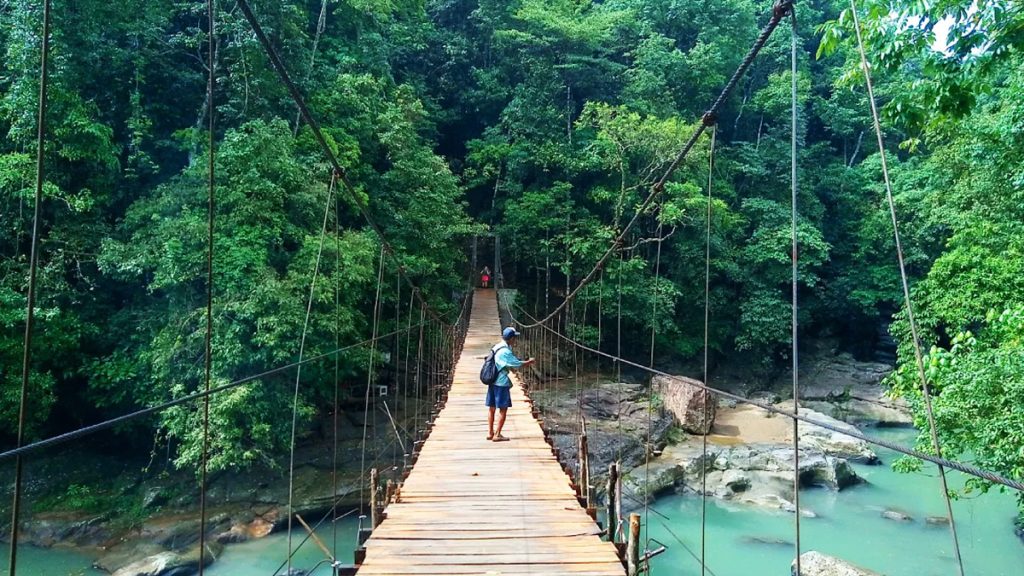
Furthermore, the final approach to the waterfall follows a trail with a suspension bridge crossing. This section is one of the more memorable parts of the journey. In addition, the trail is well-worn but unmarked in places. Hiring a local guide is strongly recommended, particularly for first-time visitors.
Cunca Wulang Waterfall Entry Fees
Entry Fee: Cunca Wulang Waterfall
Entrance ticket: IDR 30,000 – 50,000/person
Float rental: IDR 10,000/float (for use in the pool)
Local guide: Available at the guard station (fee negotiable)
Opening hours: 6:00 am to 5:00 pm daily
Entry fees are approximate and subject to change. Confirm current rates at the guard post before entering.
Facilities at the guard station near the trailhead include restrooms, a parking area, and a rest area. Furthermore, guides are available for hire at the station. Engaging a local guide is recommended both for navigation and for the additional context they can provide about the local community and natural environment.
What to Expect at Cunca Wulang Waterfall
The Rock Canyon Formation
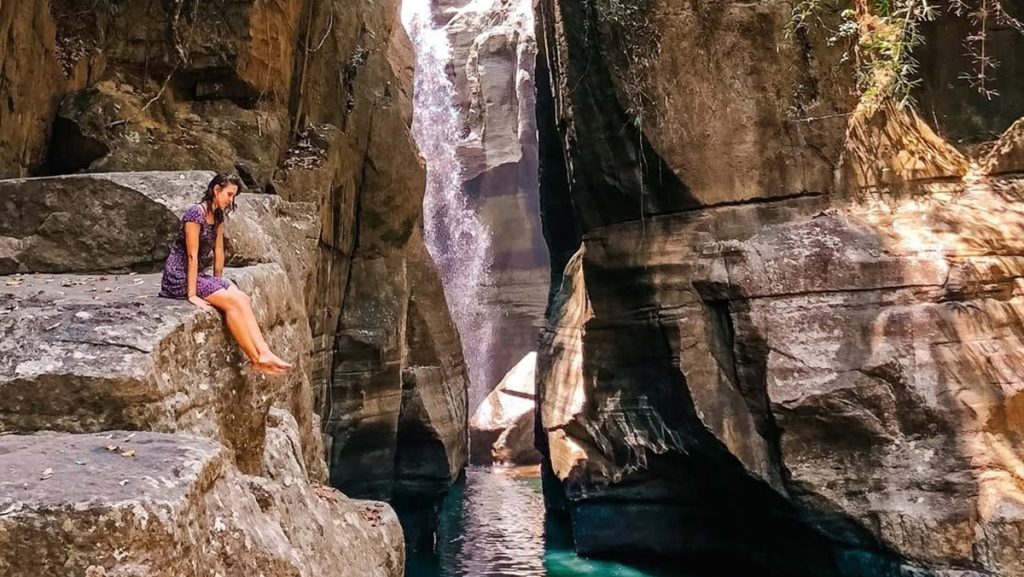
The defining feature of Cunca Wulang Waterfall is its dramatic geological setting. The waterfall flows between towering walls of sculpted rock that channel the water into a narrow gorge before it opens into the pool below. These formations have been compared to a miniature version of the Grand Canyon in Arizona, and while the scale is very different, the visual impact is genuinely impressive.
Furthermore, the rock walls are covered in lush green moss and ferns in the wet sections closer to the water. The contrast between the pale grey rock, the vivid greenery, and the turquoise water creates a striking visual composition. In addition, the canyon walls provide natural shade throughout much of the day, making the area significantly cooler than the exposed sections of the trail above.
The Turquoise Pool
The pool at the base of the waterfall is one of the most photographed features of Cunca Wulang. The water is a vivid turquoise-blue colour, fed by the waterfall above and filtered through the surrounding rock formations. The pool is deep enough for swimming and is generally safe during the dry season when the current is calmer.
Float rentals are available on-site for IDR 10,000 each, allowing visitors to drift in the pool beneath the waterfall. In addition, a natural rock ledge approximately 6 metres above the pool provides a cliff jumping platform for more adventurous visitors. This activity is done at the individual’s own risk and is not suitable for non-swimmers or those unfamiliar with cliff jumping safety.
The Suspension Bridge
The approach to the waterfall crosses a suspension bridge over the river gorge below. Walking across the bridge provides a different perspective on the canyon formations and the surrounding forest. Furthermore, the bridge itself is a distinctive feature of the route and a popular photography stop for visitors making their way to or from the waterfall.
The Trek Through Flores Forest
The 4-kilometre walk from Cekondo through the forest to the waterfall is an enjoyable and scenic experience in its own right. The trail passes through dense jungle with a high canopy and the sound of birds overhead. Furthermore, sections of the path follow the edge of the river gorge, offering glimpses of the water below between the trees. The cooler temperature at this altitude makes the walk comfortable even during the dry season.
Best Time to Visit Cunca Wulang Waterfall
Dry Season: April to October (Recommended)
The dry season is the best time to visit Cunca Wulang Waterfall. The turquoise colour of the water is most vivid when the flow is clear and unmuddied by runoff. Furthermore, the pool conditions are safest for swimming and cliff jumping during this period, and the trail is firmer and more manageable underfoot.
July and August are the most popular months across the Labuan Bajo region. As a result, the waterfall can be busier during these months. Arriving early in the morning helps secure quieter and more atmospheric conditions at the site.
Wet Season: November to March (Not Recommended)
During the wet season, increased rainfall can turn the waterfall water brown and murky, significantly reducing its visual appeal. Furthermore, the trail becomes slippery, and the pool can develop stronger currents that make swimming less safe. Most visitors who have made this trip during the wet season report disappointment with the water colour and conditions. As a result, the dry season is strongly preferred.
Opening Hours: 6:00 am to 5:00 pm
The waterfall is open to visitors from 6:00 am to 5:00 pm every day. Visiting in the morning is recommended for the best light conditions and to avoid the heat of the afternoon. Furthermore, arriving early means you are likely to have the site largely to yourself before day-tour groups begin arriving from Labuan Bajo.
What to Bring to Cunca Wulang Waterfall
Preparing the right gear ensures a comfortable and safe visit to Cunca Wulang Waterfall. Here is a practical checklist:
- Sturdy footwear with good grip: The cobblestone sections of the road and the uneven forest trail require solid shoes. Avoid flip-flops.
- Swimwear and a change of clothes: The pool and float rental make swimming one of the highlights. Pack dry clothes for the journey back.
- Water (at least 1.5 litres per person): No vendors are available at the waterfall. Stay hydrated throughout the trek.
- Food and snacks: Pack sufficient food from Labuan Bajo. There are no food stalls at the site.
- Sunscreen: Apply before departure. Some sections of the trail are exposed to direct sun.
- Insect repellent: The forest trail passes through areas where insects are active.
- Lightweight rain jacket: Useful insurance against sudden rain, particularly in the shoulder months.
- Waterproof phone case or dry bag: Protect your valuables from waterfall spray near the pool and during any swimming.
- Cash (IDR): For the entry fee, float rental, guide, and transport. No card payment facilities are available at the site.
Essential Travel Tips for Cunca Wulang Waterfall
- Depart Labuan Bajo early. Arriving at the waterfall before 10:00 am gives you the best light and the quietest conditions.
- Hire a local guide from the guard station. The trail has unmarked sections, and a guide adds significant value to the experience.
- Wear shoes you do not mind getting wet or muddy. The cobblestone road and forest trail will test your footwear.
- Visit during the dry season. The turquoise colour of the water depends entirely on low runoff conditions.
- If you plan to cliff jump, assess the pool carefully first and never jump alone. This activity carries inherent risk.
- Pack all your rubbish out of the forest. There are no waste bins at the waterfall site.
- Combine the visit with Rangko Cave for a full day of Labuan Bajo inland and coastal exploration.
Ready to Visit Cunca Wulang Waterfall?
Cunca Wulang Waterfall is one of the most rewarding half-day trips available from Labuan Bajo. The dramatic rock canyon, the vivid turquoise pool, the suspension bridge crossing, and the jungle trek combine to create an experience that feels genuinely adventurous and distinctly Flores. Moreover, its accessibility from central Labuan Bajo makes it easy to fit into almost any itinerary.
Go early, go prepared, and take your time on the trail. For more ideas on what to explore around Labuan Bajo and inland Flores, visit the official Indonesia Tourism guide to Labuan Bajo.
FAQs
Cunca Wulang Waterfall is approximately 30 kilometres from central Labuan Bajo. The road journey takes about one hour by car or motorcycle. From the Cekondo stop, a 4-kilometre trek through the forest takes an additional 30 to 45 minutes on foot, bringing the total journey time from Labuan Bajo to around 1.5 to 2 hours each way.
The distinctive turquoise-blue colour of the water comes from the mineral composition of the rock through which the river flows, combined with the clarity of the water during dry season conditions. When rainfall is low and runoff is minimal, the water remains clear, and the natural colour of the riverbed is visible through it. During the wet season, higher runoff turns the water brown and muddy, which is why visiting in the dry season is strongly recommended.
A natural rock ledge approximately 6 metres above the pool provides a cliff jumping platform. This activity is done at the individual’s own risk. Visitors should assess the pool depth and conditions carefully before jumping, ensure they are confident swimmers, and never jump alone. The cliff jumping spot is not supervised, and neither the local management nor tour operators assume liability for accidents. Exercise caution and good judgment.
It is possible, but it makes for a very long and physically demanding day. Both waterfalls require road travel and significant trekking on foot. Starting very early from Labuan Bajo and hiring a guide who knows both routes is essential if you attempt this combination. Most visitors prefer to devote a full day to each waterfall to enjoy the experience without rushing.
In the local Manggarai language, ‘cunca’ means waterfall and ‘wulang’ means moon. The name translates as Moon Waterfall. All three major waterfalls in the Mbeliling forest area share the ‘cunca’ prefix: Cunca Wulang, Cunca Rami, and Cunca Lega. Each has a distinct secondary name reflecting a different local word or place name.