Moni Village is the most important base for exploring Kelimutu National Park in Ende Regency, Flores, East Nusa Tenggara. This small highland village sits approximately 47 kilometres from Ende city, surrounded by lush hazelnut trees, terraced rice fields, and cool mountain air. It is the last stop before the famous tri-coloured crater lakes of Mount Kelimutu — and a rewarding destination in its own right.
Moreover, Moni Village offers far more than just a convenient overnight base. The village has its own waterfall, active traditional markets where bartering still takes place, a rich calendar of indigenous Lio cultural rituals, and some of the most beautiful highland scenery in Flores. This Moni Village travel guide covers everything you need to plan a visit — from how to get here and where to stay, to what to see and when to go.
Quick Facts: Moni Village
Location: Ende Regency, East Nusa Tenggara (NTT), Flores Island, Indonesia
Distance from Ende city: Approximately 47 km (about 1.5 to 2 hours by road)
Distance from Maumere: Approximately 3 hours by road
Distance to Kelimutu crater lakes: Approximately 15 km (30 minutes by motorbike)
Accommodation: Local guesthouses from IDR 150,000 to IDR 1,000,000/night
Best time to visit: April to October (dry season) for Kelimutu sunrise
Sunrise departure time: 3:30 am from Moni to catch Kelimutu sunrise
Indigenous community: Lio people, with an active calendar of traditional rituals
About Moni Village
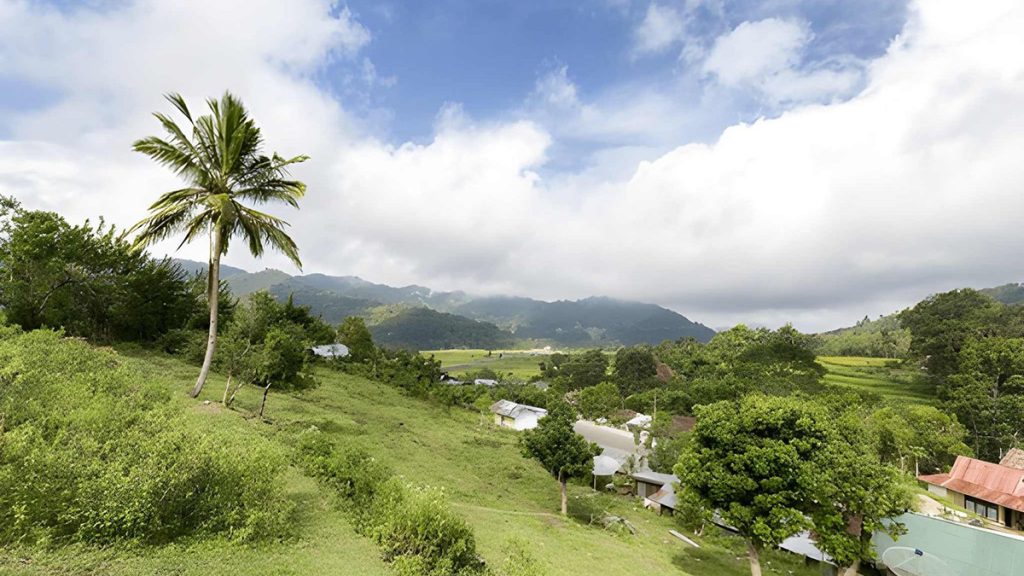
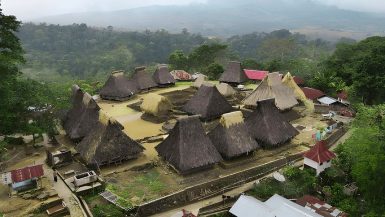
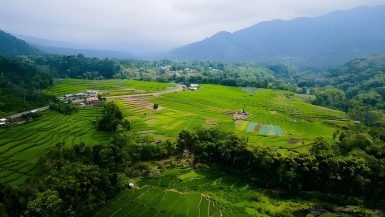
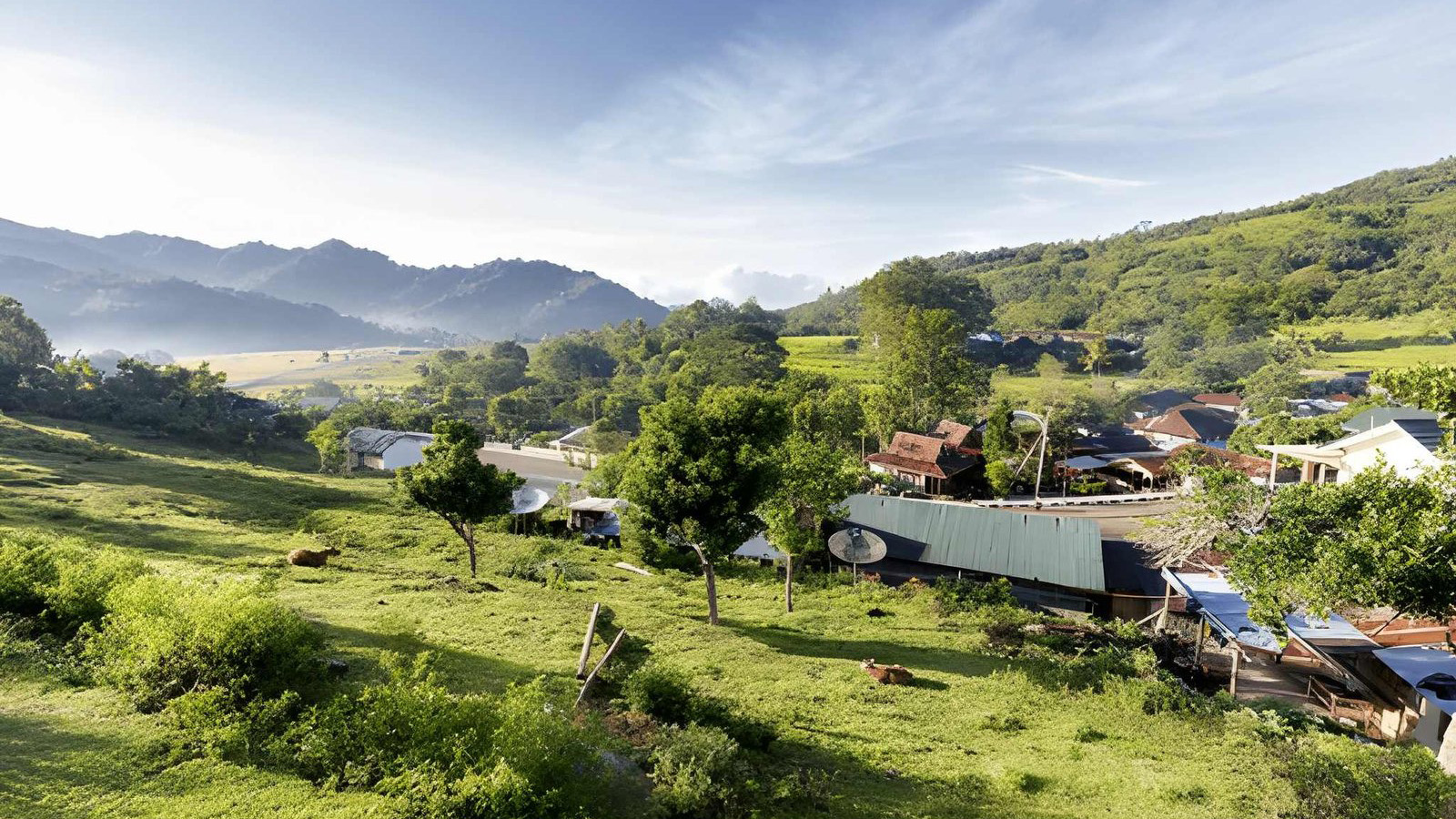
Moni is a small highland village in Ende Regency that serves as the main gateway to Kelimutu National Park. The village sits within a lush valley, surrounded by forested hills, terraced rice paddies, and the hazelnut trees that give the landscape its distinctive character.
Furthermore, Moni has a personality that goes beyond its role as a transit point. The village has an active traditional market where bartering remains a common form of exchange. Local women sell handwoven ikat textiles, a craft tradition that has been passed down through generations of the Lio community. In addition, traditional dances and cultural performances are part of village life here, particularly around the major ritual events that punctuate the Lio calendar.
As a result, travelers who spend more than one night in Moni often find themselves drawn deeper into the rhythm of the village and the genuine warmth of its residents.
How to Get to Moni Village: Your Travel Guide Starts Here
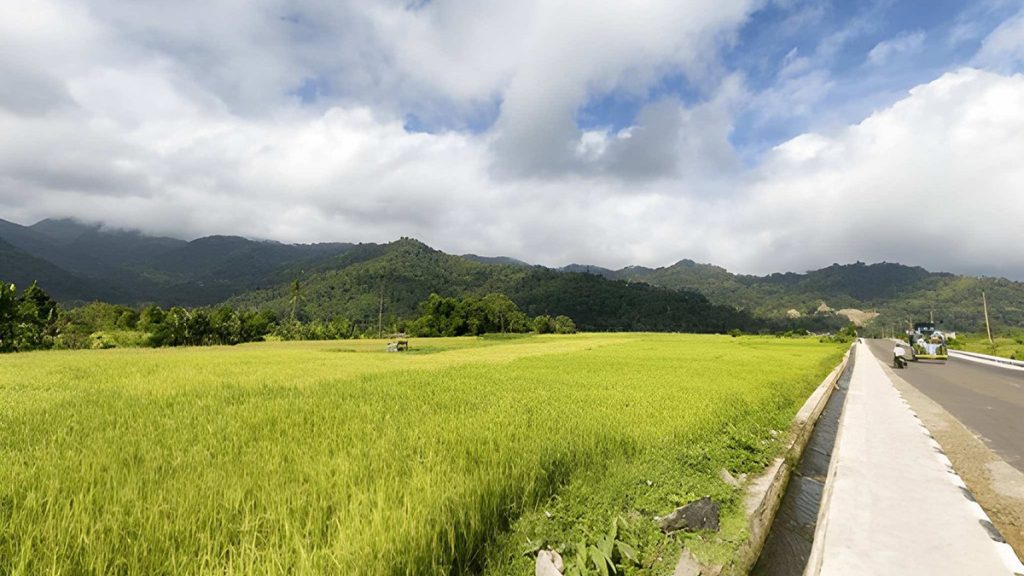
Moni Village is accessible from two main directions along the Trans-Flores highway: from Ende to the west, and from Maumere to the east. Here are the main routes:
From Ende (Most Common Route)
Ende is the capital city of Ende Regency and has its own airport. From Ende city, Moni Village is approximately 47 kilometres along the Trans-Flores road. The drive takes between 1.5 and 2 hours depending on road conditions and traffic.
Transport options from Ende include shared taxis, rental cars, and bemo (small shared vans). Furthermore, H. Hasan Aroeboesman Airport in Ende receives flights from Bali (via Kupang or Labuan Bajo) and from other Indonesian cities. Confirm current flight routes and connections with your airline before booking.
From Maumere
Maumere is the second largest city in Flores and has good flight connections from Bali and other cities. From Maumere, Moni Village is approximately 2.5 to 3 hours by road heading west on the Trans-Flores highway. Shared vans and buses serve this route. In addition, the road passes through some beautiful highland scenery that makes the journey worthwhile.
From Moni Village to Kelimutu
From Moni, the crater lakes of Kelimutu National Park are approximately 15 kilometres up the mountain — around 30 minutes by motorbike or rental vehicle. Options include:
- Motorbike rental: Available from local guesthouses and residents. Suitable for those comfortable on mountain roads.
- Local motorbike taxi: Guesthouse owners typically have arrangements with local drivers who can take you to Kelimutu and wait. Negotiate the fare in advance.
- Walking (downhill only): Some adventurous travelers take a vehicle to the summit and walk back down to Moni. The downhill walk takes approximately 3 hours.
Where to Stay in Moni Village
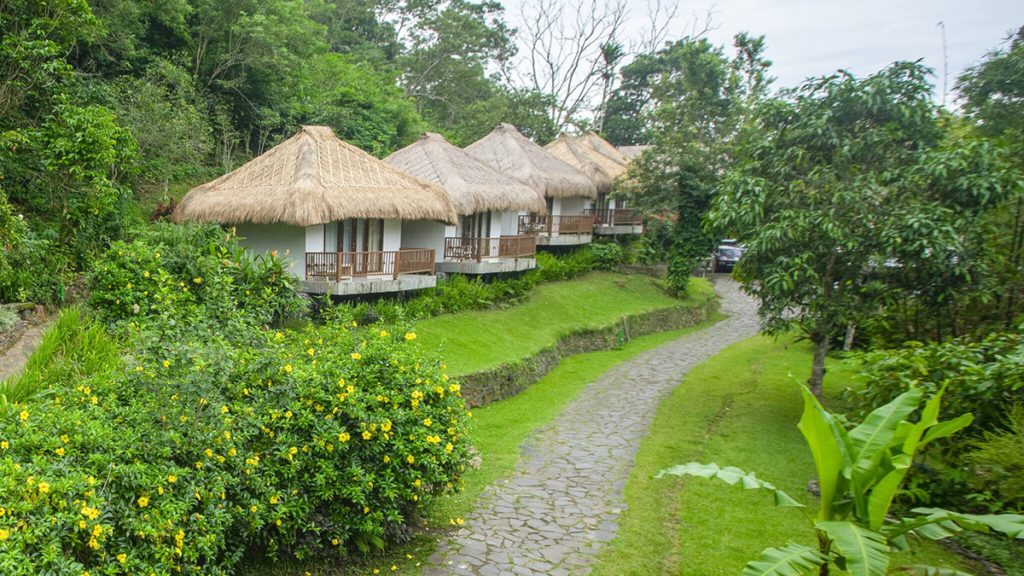
Most visitors to Kelimutu National Park stay overnight in Moni to enable an early-morning departure for the sunrise. The village has a good selection of local guesthouses to suit different budgets.
Accommodation rates range from IDR 150,000 to IDR 1,000,000 per night, depending on the quality of facilities. Furthermore, many guesthouses include simple meals with their room rates. In addition, guesthouse owners are typically a valuable source of local information — they can arrange transport to Kelimutu, recommend local guides, and advise on current conditions at the crater.
Advance reservations are not always necessary, but booking ahead is recommended during peak season and around public holidays, when guesthouses fill up quickly. Many local families also open their homes to travelers when guesthouses are full, and prices can be negotiated directly with hosts.
Top Attractions in Moni Village
1. Moni Waterfall
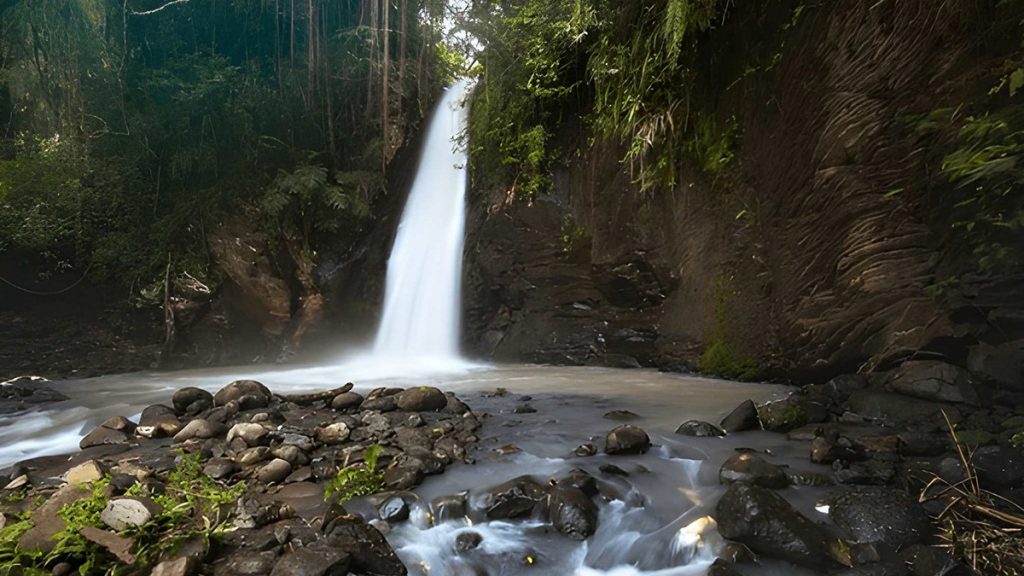
Moni Waterfall is a refreshing natural attraction located just a five-minute walk from the village centre. The waterfall flows consistently even during the dry season, making it a reliable and accessible spot for a quick swim or a quiet rest. A natural pool at the base of the falls is suitable for swimming. Furthermore, the surrounding vegetation creates a cool, shaded environment that provides welcome relief from the afternoon heat.
The waterfall is a popular spot for both local residents and visiting travelers. It makes an excellent complement to the early-morning Kelimutu sunrise visit — a relaxing afternoon activity after returning from the crater.
2. Kelimutu Crater Lakes
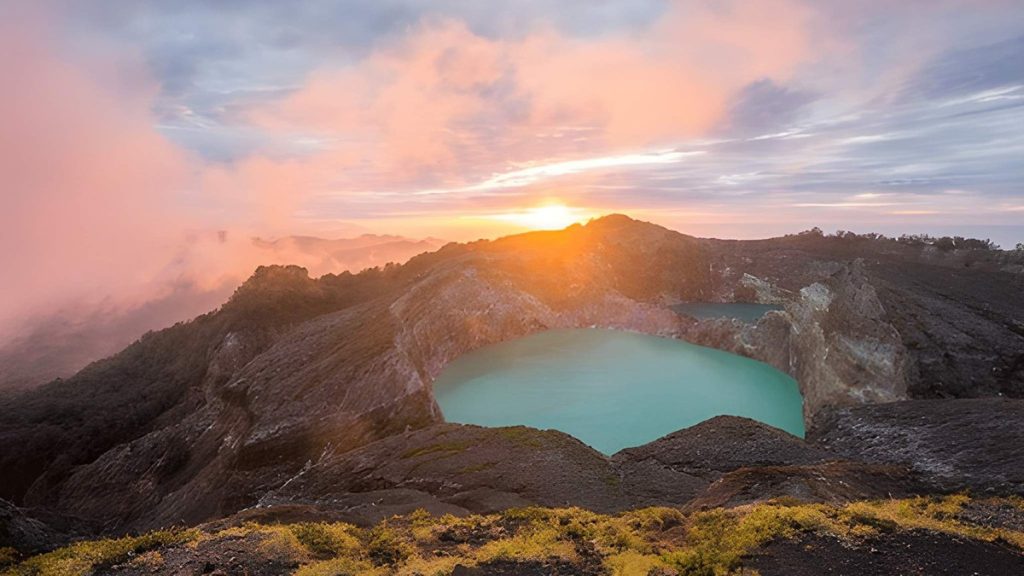
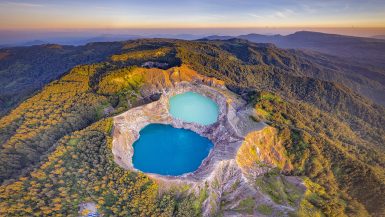
The main reason most travelers visit Moni is to access the tri-coloured crater lakes of Kelimutu National Park. The three lakes — Tiwu Ata Mbupu, Tiwu Ko’o Fai Nuwa Muri, and Tiwu Ata Polo — sit at 1,639 metres above sea level and periodically change colour due to volcanic mineral activity.
The lakes hold deep spiritual significance for the Lio people, who believe they are the resting place of ancestral souls. Furthermore, watching the sunrise over the lakes from the summit viewpoint is one of the most extraordinary natural experiences in all of Indonesia. To catch the sunrise, depart Moni Village by 3:30 am.
3. Mount Kelimutu Sunrise Trek
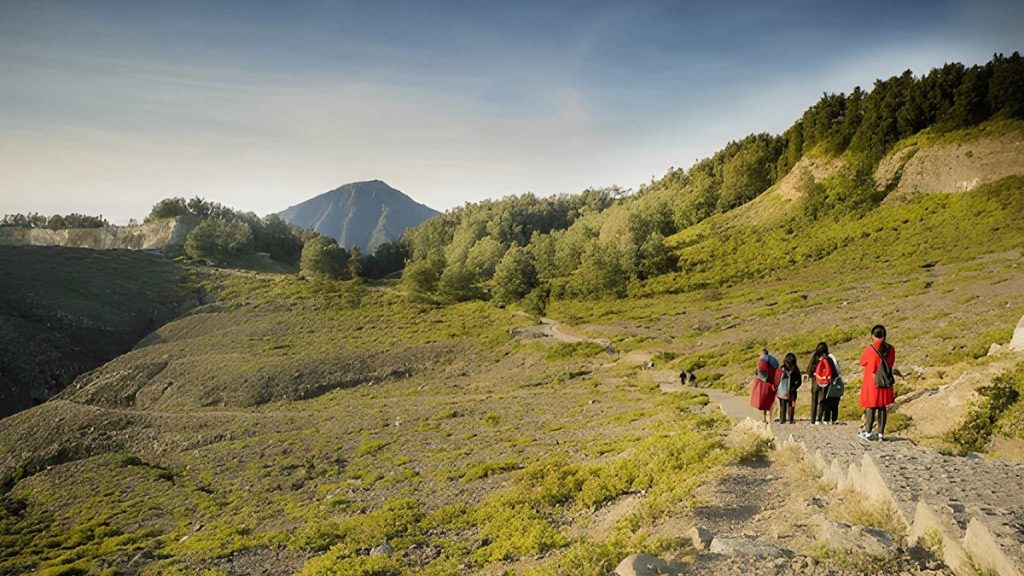
The journey up Mount Kelimutu before dawn is an experience many visitors describe as the highlight of their time in Flores. As you travel up the mountain road, pine trees appear silhouetted against the gradually brightening sky. The vegetation changes with altitude, and ferns, Casuarina trees, and the occasional edelweiss flower line the higher sections of the route.
Arrive at the summit before sunrise to witness the sky transition through shades of orange, gold, and pink above the coloured lakes below. The cool highland air and the silence of the early morning make the atmosphere genuinely memorable. Most visitors find that the experience far exceeds their expectations.
4. Traditional Market
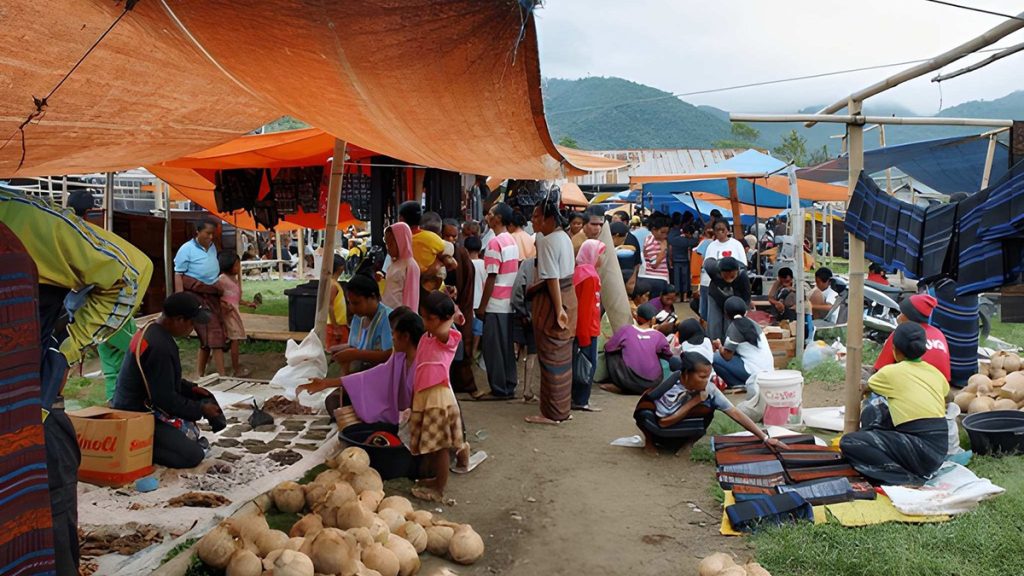
Moni’s traditional market is one of the most authentic in Ende Regency. Bartering remains a common practice here, particularly among local residents trading agricultural produce, spices, and textiles. Visiting the market gives travelers a direct window into everyday economic and social life in the Lio community. Furthermore, the market is a good place to find handwoven ikat textiles — a craft for which the Ende region is well known.
5. Ikat Weaving and Local Crafts
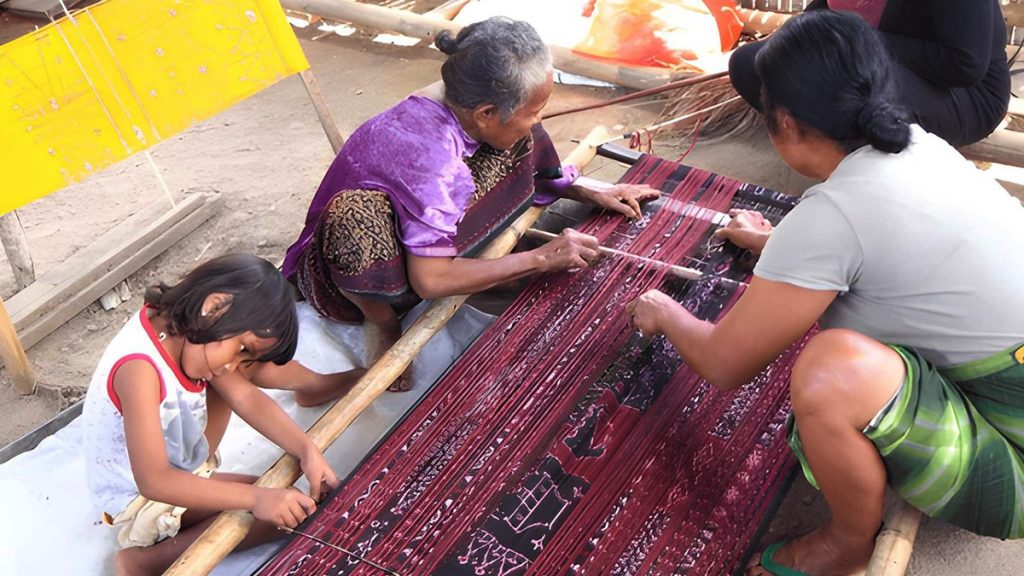
Ikat weaving is one of the most important traditional crafts in the Ende region. Local women in Moni and surrounding villages produce handwoven textiles with intricate patterns that carry cultural and ceremonial significance. Visitors can observe the weaving process at local homes and purchase directly from the artisans. In addition, hand-woven ikat makes a meaningful and distinctive souvenir of the region.
Traditional Lio Rituals in Moni Village
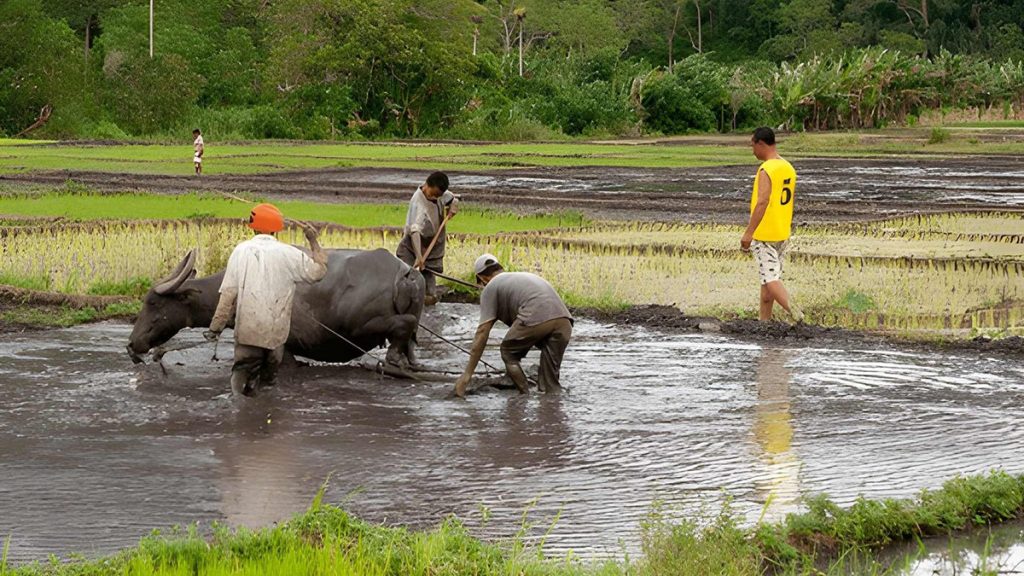
One of the most distinctive aspects of Moni Village is its living calendar of indigenous Lio rituals. These ceremonies connect the community to the agricultural cycle, ancestral traditions, and the spiritual significance of the surrounding landscape. Here are the main ritual events observed throughout the year:
- Tu Tau (Harvest Ritual): Held in October, January, or February. A ceremony to mark and give thanks for the rice harvest.
- Nai Keu (Coconut Picking Ritual): Primarily observed around February, with coconut harvesting rituals also occurring in March, June, September, and December.
- Gaga Jala (Street Cleaning Ritual): A communal ceremony involving the ritual cleaning of village paths and public spaces.
- Wari Pare (Rice Drying Ritual): Held in April and May, marking the rice drying stage of the agricultural calendar.
- Wa’u Tosa (Rice Milling Ritual): Observed around September or October, celebrating the traditional process of milling harvested rice.
- Nggera Kibi (Rice Barn Cleaning Ritual): Held around October, marking the cleaning and preparation of rice storage barns.
Furthermore, timing a visit to coincide with one of these events offers an extraordinary window into Lio cultural life. Ask your guesthouse owner about the current ritual calendar during your stay.
Kelimutu National Park Entry Fees
Kelimutu National Park Entry Fees (PP No. 36/2024)
Weekday entry — Domestic tourists: IDR 50,000/person/day
Weekday entry — Foreign tourists: IDR 250,000/person/day
Weekend / National Holiday — Domestic tourists: IDR 75,000/person/day
Weekend / National Holiday — Foreign tourists: IDR 250,000/person/day
Motorbike ride from Moni to the summit: negotiate with local drivers (approx. IDR 100,000 – 200,000 round trip)
Source: Government Regulation No. 36/2024 (PP No. 36 Tahun 2024). All tickets are non-refundable. Confirm current rates with your guesthouse or local driver before visiting.
Essential Travel Tips for Moni Village
To make the most of your time in Moni, keep these practical tips from this Moni Village travel guide in mind:
- Depart for Kelimutu by 3:30 am to arrive at the summit before sunrise. Ask your guesthouse to arrange transport the evening before.
- Pack warm layers for the pre-dawn journey. The summit of Kelimutu is significantly colder than Moni village, and temperatures before sunrise can feel biting.
- Allow at least two nights in Moni — one for the Kelimutu sunrise visit and one to explore the village, waterfall, and market at leisure.
- Hire a local guide for the Kelimutu trek. Some areas of the national park are restricted due to geothermal instability, and a guide ensures you stay on safe paths.
- Bring cash in IDR. There are no ATMs in Moni Village. Withdraw sufficient cash in Ende or Maumere before arriving.
- Visit the traditional market early in the morning for the most active atmosphere and the widest selection of goods.
- Ask your guesthouse owner about the current ritual calendar. Witnessing a traditional Lio ceremony is a rare and memorable experience.
Ready to Use This Moni Village Travel Guide?
Moni Village is one of those places that surprises travelers who arrive expecting nothing more than a transit stop. The Kelimutu sunrise is extraordinary, the waterfall is refreshing, the traditional market is authentic, and the warmth of the Lio community makes the village feel genuinely welcoming. Furthermore, the surrounding highland scenery — lush hazelnut trees, terraced rice paddies, and cool mountain air — gives Moni a beauty that rewards those who take the time to slow down and look around.
Plan for at least two nights, pack for the cold, and set your alarm early. For more information about the Ende region and Flores Island, visit the official Indonesia Tourism guide to Ende.
FAQs
Absolutely. While most travelers come primarily for the Kelimutu sunrise, Moni rewards those who stay longer. The village waterfall is a 5-minute walk from the centre and makes a lovely afternoon stop. The traditional market offers a genuine look at local life. The ikat weaving tradition provides a meaningful souvenir opportunity. Furthermore, the living calendar of Lio ritual ceremonies is a rare cultural experience not found in more commercialised destinations.
Depart from Moni by 3:30 am to arrive at the Kelimutu summit before sunrise, which typically occurs around 5:30 am to 6:00 am depending on the season. The 15-kilometre journey takes approximately 30 minutes by motorbike. Arriving early means you can find a good position at the viewpoint before other visitors arrive and experience the gradual brightening of the sky over the lakes.
Moni sits at a highland altitude and has a noticeably cooler climate than the coastal areas of Flores. Daytime temperatures are pleasant and comfortable. However, temperatures drop significantly at night and in the early morning hours before sunrise. Bring warm layers for the pre-dawn Kelimutu trip. During the dry season from April to October, days are clear and sunny with very little rain.
No. Moni Village does not have ATMs or banking facilities. All transactions in the village and at Kelimutu National Park are cash-only. Withdraw sufficient IDR in Ende or Maumere before making your way to Moni. Budget for accommodation, meals, transport to Kelimutu, park entry fees, and any guide fees or market purchases.
The Lio community of Moni observes a rich calendar of agricultural and cultural ceremonies throughout the year. The most significant include the Tu Tau harvest ritual (October to February), the Nai Keu coconut picking ceremony (February, with harvesting in March, June, September, and December), the Wari Pare rice drying ritual (April to May), the Wa’u Tosa rice milling ceremony (September to October), and the Nggera Kibi rice barn cleaning ritual (October). Ask your guesthouse owner for the current ceremony schedule during your stay.